
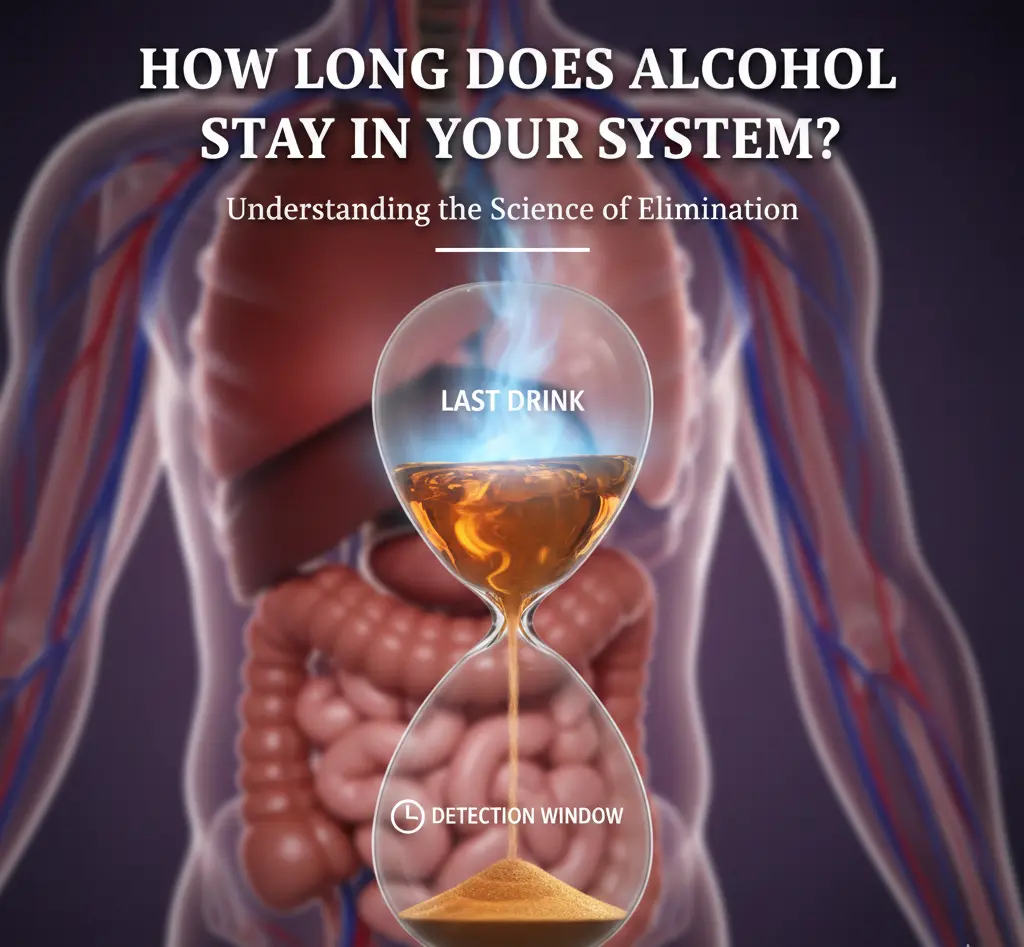
how long does alcohol stay in your system
How Long Does Alcohol Stay in Your System: A Complete Guide
How long does alcohol stay in your system? This crucial question affects everything from workplace drug testing to safe driving decisions. Understanding alcohol metabolism, detection windows, and elimination rates can help you make informed choices about consumption and recovery time.
Understanding Alcohol Metabolism and Elimination
When you consume alcoholic beverages, your body immediately begins breaking down ethanol through your liver. The average person metabolizes approximately one standard drink per hour, though this rate varies significantly based on individual factors.
How long does alcohol stay in your system depends on several biological variables. Body weight, gender, age, and liver health all influence alcohol processing speed. Women typically metabolize alcohol slower than men due to lower water content in their bodies and reduced enzyme production.
The liver produces enzymes like alcohol dehydrogenase (ADH) and aldehyde dehydrogenase (ALDH) that convert alcohol into acetaldehyde, then into acetic acid, and finally into water and carbon dioxide. This multi-stage process takes time and cannot be rushed through external interventions.
Detection Windows Across Different Testing Methods
Blood Alcohol Testing
Blood tests can detect alcohol for 12 to 24 hours after your last drink. This method measures your blood alcohol concentration (BAC) directly, providing the most accurate current impairment level. Medical professionals and law enforcement prefer this testing method for its precision.
Breathalyzer Detection
Breath tests identify alcohol for approximately 12 to 24 hours. Law enforcement commonly uses breathalyzers because they’re non-invasive and provide immediate BAC readings. The device measures alcohol vapor in your breath, which correlates with blood alcohol levels.
Urine Testing
Urine tests can reveal alcohol consumption for 12 to 48 hours, with advanced EtG (Ethyl Glucuronide) tests extending detection up to 80 hours or roughly 3-4 days after drinking stops. Probation officers, treatment programs, and employers frequently utilize urine screening for its extended detection capabilities.
Hair Follicle Analysis
Hair testing offers the longest detection window—up to 90 days. However, this method indicates historical consumption patterns rather than recent intoxication levels. While expensive, hair follicle tests provide comprehensive insight into long-term drinking habits.
Saliva Testing
Saliva tests detect alcohol for 12 to 24 hours and are becoming increasingly popular due to their non-invasive nature and ease of administration. These tests are particularly useful for roadside screening and workplace testing scenarios.
Factors Affecting Alcohol Clearance Time
Your metabolism speed determines elimination rates. Heavy drinkers with alcohol tolerance may process drinks differently than occasional consumers. Food intake slows absorption, while medications can interfere with liver enzymes responsible for breaking down alcohol.
Hydration levels, physical activity, and overall health status also impact how quickly your system clears alcohol. Chronic alcohol use can impair liver function, significantly extending processing times and potentially causing long-term health complications.
Age plays a significant role—older adults typically metabolize alcohol more slowly than younger individuals. Genetic factors also contribute, with some ethnic groups possessing different enzyme variants that affect processing efficiency.
Calculating Your Personal Elimination Rate
The standard elimination rate is 0.015 BAC per hour. If your BAC reaches 0.08% (the legal driving limit), expect approximately 5.5 hours for complete clearance. However, feeling sober doesn’t mean alcohol has left your bloodstream entirely.
For practical calculation: a 180-pound man consuming five standard drinks might reach a BAC of 0.10%. Complete elimination would require roughly 6.5 to 7 hours. A 140-pound woman drinking the same amount could reach 0.14% BAC, needing 9+ hours for full clearance.
Use this guideline cautiously—individual variation means some people metabolize faster or slower. Never rely on calculations alone when safety is at stake, particularly before driving or operating machinery.
Common Myths About Speeding Up Alcohol Elimination
Many people believe coffee, cold showers, or exercise can accelerate alcohol metabolism. These methods may increase alertness temporarily but don’t actually remove alcohol from your system faster. Only time allows your liver to complete the metabolic process.
Practical Implications for Safety and Testing
Understanding alcohol detection windows helps you plan responsibly. If facing workplace testing, remember that how long does alcohol stay in your system extends beyond perceived sobriety. Allow adequate time—preferably 24 hours minimum—before situations requiring complete clearance.
For employment screenings, court-ordered testing, or medical procedures, discuss your alcohol consumption honestly with relevant parties. The only guaranteed way to pass alcohol screening is abstinence with sufficient recovery time.
Bottom line: Alcohol metabolism is predictable but individualized. Respect detection windows, understand your body’s processing capabilities, and always prioritize safety over convenience when making decisions about alcohol consumption and subsequent activities.





One Comment
Comments are closed.