Chicken Seasoning
The best Chicken Seasoning for Maximum Flavor
The Dry Rub Method
For crispy skin and concentrated flavor, pat chicken completely dry with paper towels before applying your chicken seasoning blend. Moisture prevents proper adhesion and creates steam during cooking, resulting in soggy skin.
Apply seasoning generously, using approximately 1 tablespoon per pound of chicken. Press the mixture firmly onto all surfaces, including under the skin when possible. For best results, season chicken at least 30 minutes before cooking—or ideally, overnight in the refrigerator. This dry-brining process allows salt to penetrate deeply while other spices bloom in the meat’s natural moisture.
The Wet Marinade Approach
When incorporating spices into marinades, combine your dry seasoning blend with acidic ingredients like lemon juice, vinegar, or yogurt, plus oil to help fat-soluble flavor compounds permeate the meat. Marinate chicken for 2-8 hours, depending on the cut. Avoid marinating longer than 12 hours, as acids can break down proteins excessively, creating mushy texture.
The Compound Butter Technique
For special occasions, create seasoned compound butter by mixing softened butter with your preferred spice blend, fresh herbs, and minced garlic. Carefully separate chicken skin from the meat and spread this flavored butter underneath. As the chicken cooks, the butter bastes the meat from within, delivering incredible moisture and flavor.
DIY Chicken Seasoning Recipes Worth Keeping
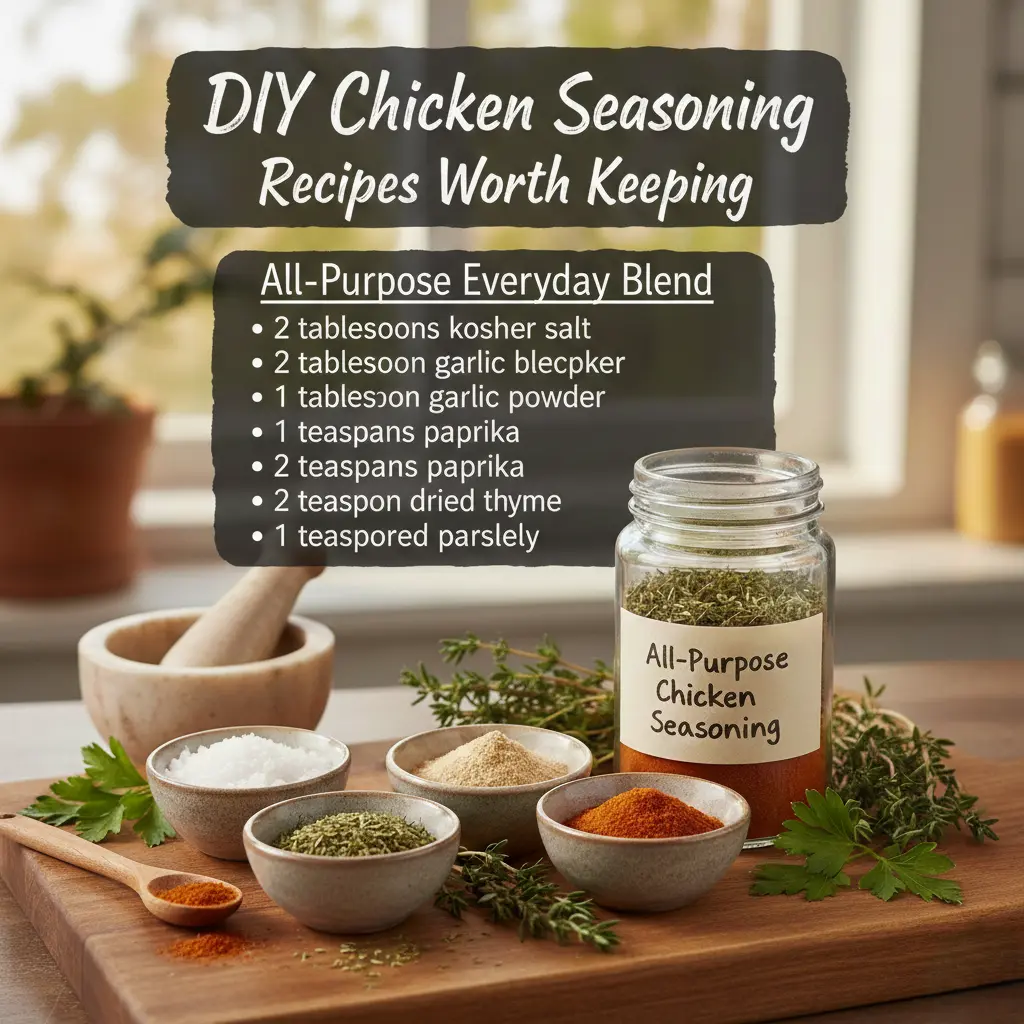
All-Purpose Everyday Blend
- 2 tablespoons kosher salt
- 1 tablespoon black pepper
- 1 tablespoon garlic powder
- 1 tablespoon onion powder
- 2 teaspoons paprika
- 1 teaspoon dried thyme
- 1 teaspoon dried parsley
This versatile chicken seasoning works for virtually any cooking method and complements diverse cuisines.
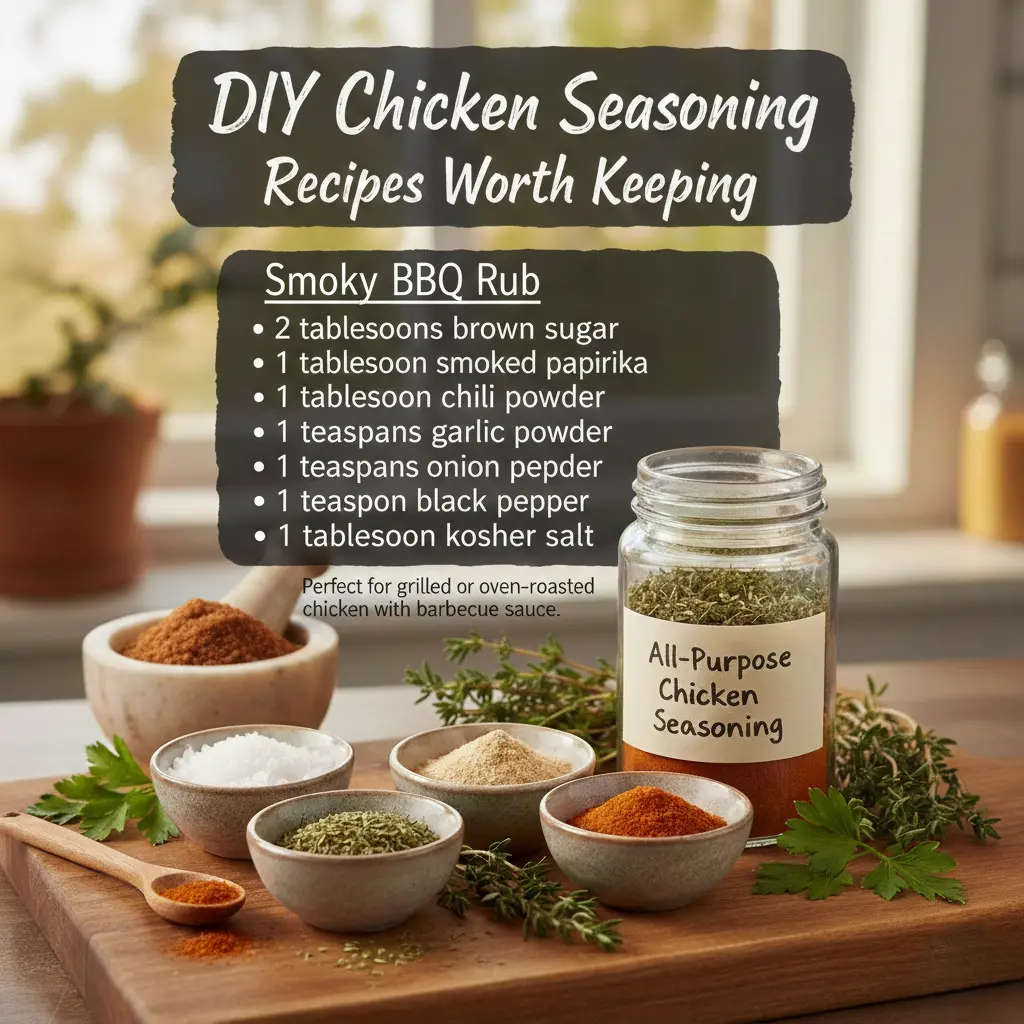
Smoky BBQ Rub
- 2 tablespoons brown sugar
- 1 tablespoon smoked paprika
- 1 tablespoon chili powder
- 2 teaspoons garlic powder
- 2 teaspoons onion powder
- 1 teaspoon cumin
- 1 teaspoon black pepper
- 1 tablespoon kosher salt
Perfect for grilled or oven-roasted chicken with barbecue sauce.
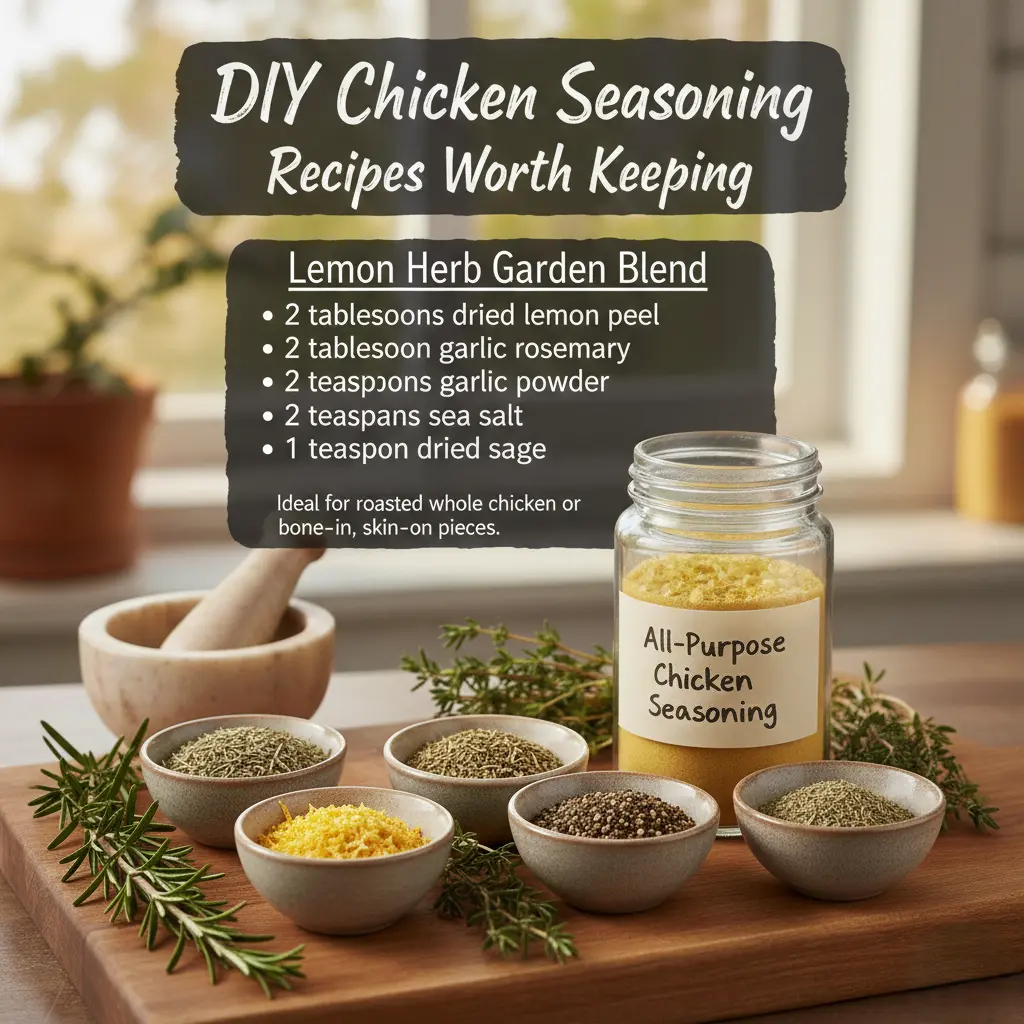
Lemon Herb Garden Blend
- 2 tablespoons dried lemon peel
- 1 tablespoon dried rosemary
- 1 tablespoon dried thyme
- 2 teaspoons garlic powder
- 2 teaspoons sea salt
- 1 teaspoon black pepper
- 1 teaspoon dried sage
Ideal for roasted whole chicken or bone-in, skin-on pieces.
Common Chicken Seasoning Mistakes to Avoid
Under-Seasoning
The most frequent error home cooks make is timid seasoning. Chicken requires generous application—what seems like too much often turns out perfect after cooking. Remember that seasoning on the surface must flavor the entire piece of meat.
Seasoning Too Late
Applying chicken seasoning immediately before cooking doesn’t allow time for salt to work its magic. Salt needs at least 15-30 minutes to begin penetrating meat fibers and enhancing juiciness through moisture retention.
Ignoring Temperature
Always bring seasoned chicken to room temperature before cooking (letting it sit for 20-30 minutes after removing from the refrigerator). Cold chicken cooks unevenly, with overcooked exteriors and undercooked centers.
Using Old Spices
Ground spices lose potency after 6-12 months. If your paprika or garlic powder has been sitting in your cabinet for years, it’s likely delivering minimal flavor. Date your spices when purchased and replace them regularly for optimal results.
Storage and Shelf Life of Homemade Seasonings
Store your custom chicken seasoning blends in airtight containers away from heat, light, and moisture. Glass jars with tight-fitting lids work best, preserving volatile aromatic compounds that give spices their characteristic flavors.
Properly stored dry rubs maintain quality for 3-6 months. Label containers with creation dates to track freshness. For maximum potency, grind whole spices shortly before mixing your blend, though this requires more effort.
Pairing Cooking Methods With Seasoning Styles
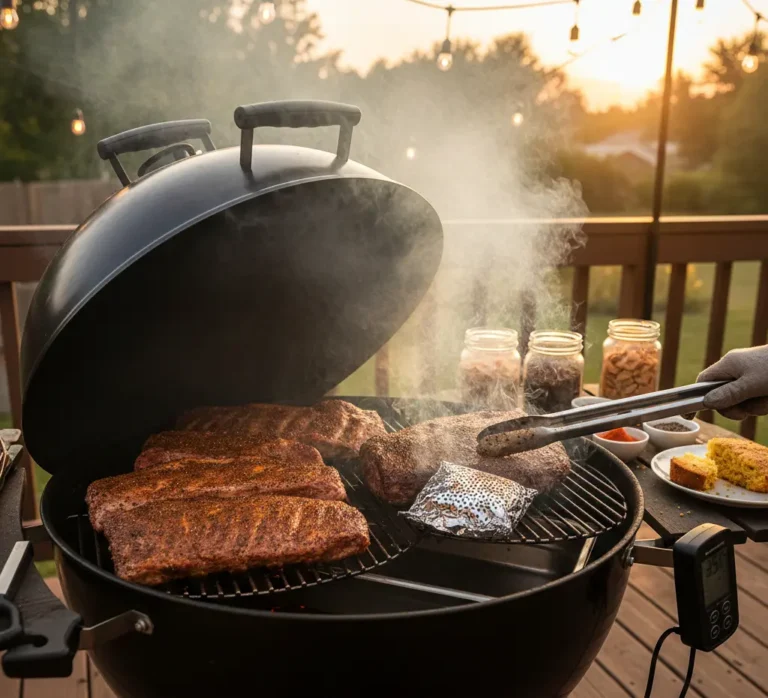
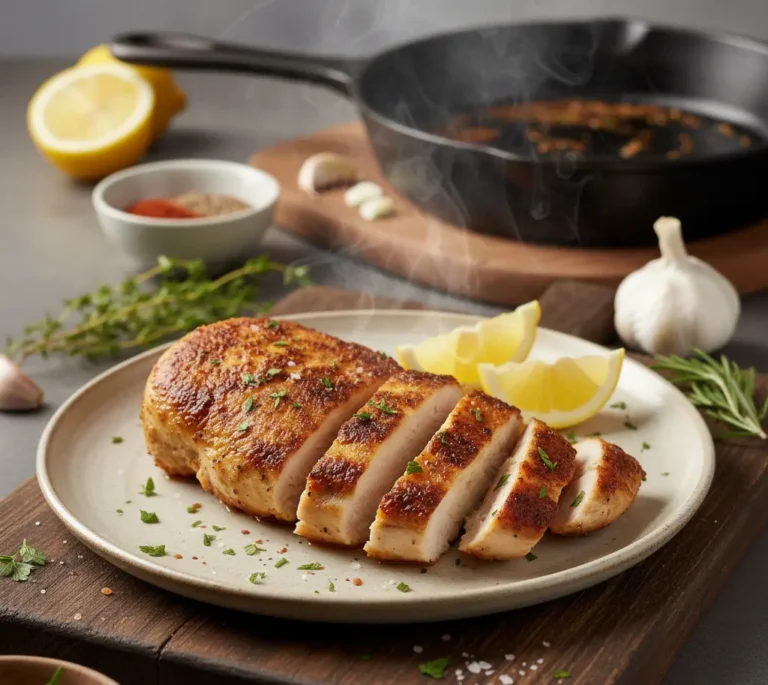
Different cooking techniques benefit from specific seasoning approaches. Grilled chicken handles bold, spicy rubs because high heat creates flavorful char. Baked chicken welcomes herb-forward blends that won’t burn during extended cooking times. Pan-seared chicken breast pairs beautifully with simple salt, pepper, and garlic combinations that allow the Maillard reaction to create complex flavors.
For slow-cooker preparations, reduce salt content in your chicken seasoning since liquids don’t evaporate as they do with dry-heat methods, potentially concentrating saltiness to unpalatable levels.