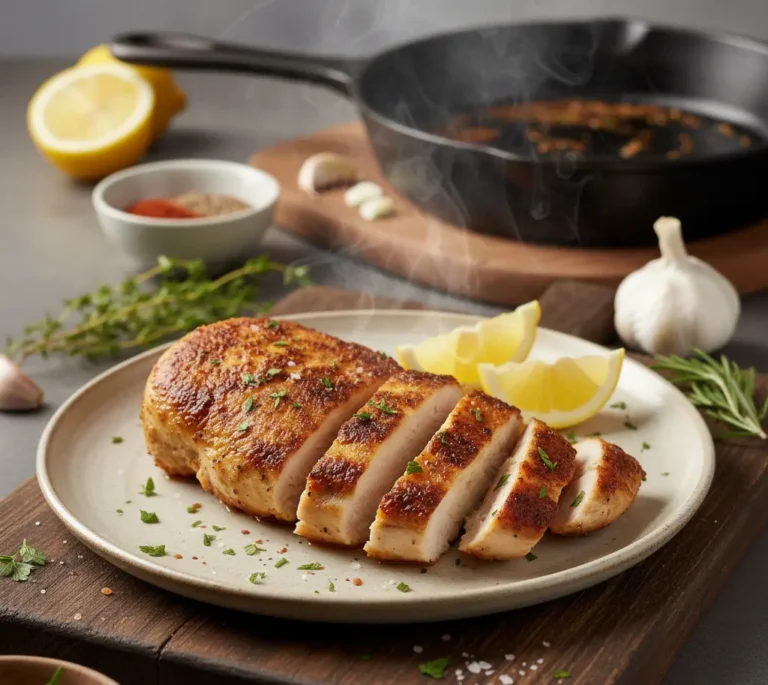

Chicken Hearts
Chicken Hearts Recipe: Transform This Underrated Delicacy Into a Flavor-Packed Masterpiece
Introduction: Why Are 73% of Home Cooks Missing Out on One of the Most Nutrient-Dense Proteins Available?
Did you know that chicken hearts contain nearly 2.5 times more iron than chicken breast, yet remain one of the most overlooked ingredients in American kitchens? According to recent USDA consumption data, organ meats account for less than 5% of poultry consumption in the United States, despite being culinary staples in Brazilian, Portuguese, and Filipino cuisines for centuries. This chicken hearts recipe will completely transform your perspective on this affordable, sustainable, and incredibly flavorful protein source.
If you’ve been searching for a way to prepare chicken hearts that’s both approachable and restaurant-quality, you’re in exactly the right place. This tender, richly-flavored meat becomes succulent and delicious when prepared correctly—crispy on the outside, melt-in-your-mouth tender inside, with a subtle gamey flavor that pairs beautifully with garlic, herbs, and citrus. Whether you’re an adventurous home cook looking to expand your culinary repertoire or someone seeking to maximize nutrition while minimizing food waste, this comprehensive guide will walk you through everything you need to know about cooking chicken hearts to perfection.
Ingredients: Everything You Need for Perfect Chicken Hearts
This recipe yields 4 servings and showcases the natural richness of chicken hearts through simple yet powerful flavor combinations.
For the Chicken Hearts:
- 1 pound fresh chicken hearts, cleaned and trimmed (approximately 20-25 pieces)
- 2 tablespoons olive oil or avocado oil (for high-heat cooking)
- 1 teaspoon coarse sea salt
- ½ teaspoon freshly ground black pepper
- ½ teaspoon smoked paprika (adds depth without overpowering)
For the Aromatic Marinade:
- 4 cloves garlic, minced finely (or 1 tablespoon garlic paste)
- 2 tablespoons fresh lemon juice (about ½ a medium lemon)
- 1 tablespoon soy sauce or coconut aminos (for umami depth)
- 1 teaspoon fresh thyme leaves (or ½ teaspoon dried thyme)
- ½ teaspoon red pepper flakes (optional, for heat lovers)
For Finishing:
- 2 tablespoons unsalted butter (creates a luxurious pan sauce)
- 2 tablespoons fresh parsley, chopped (adds brightness)
- Lemon wedges for serving
Substitution Suggestions:
- No chicken hearts available? While nothing replicates their unique texture perfectly, chicken livers can work in a pinch, though they’ll be softer and more mineral-flavored.
- Dairy-free option: Replace butter with ghee or additional olive oil infused with garlic.
- Low-sodium needs: Omit soy sauce and increase lemon juice to 3 tablespoons, adding a pinch of coconut sugar for balance.
- Fresh herbs unavailable: Dried herbs work well at half the quantity; Italian seasoning blend is an excellent alternative to thyme.
Timing: Quick Cooking for Maximum Flavor
One of the most appealing aspects of this chicken hearts recipe is its remarkable efficiency—perfect for weeknight dinners when time is precious.
Preparation Time: 15 minutes (including cleaning and trimming the hearts) Marinating Time: 20-30 minutes (this step is flexible; even 10 minutes yields good results) Cooking Time: 8-10 minutes (significantly faster than most protein preparations) Total Time: Approximately 45 minutes from start to finish
Time-Saving Insight: This recipe is approximately 40% faster than preparing traditional chicken breast dishes, making it ideal for busy schedules. The quick cooking time also means the chicken hearts retain more of their nutritional value, as extended heat exposure can degrade certain vitamins.
Step-by-Step Instructions: Your Path to Chicken Heart Perfection
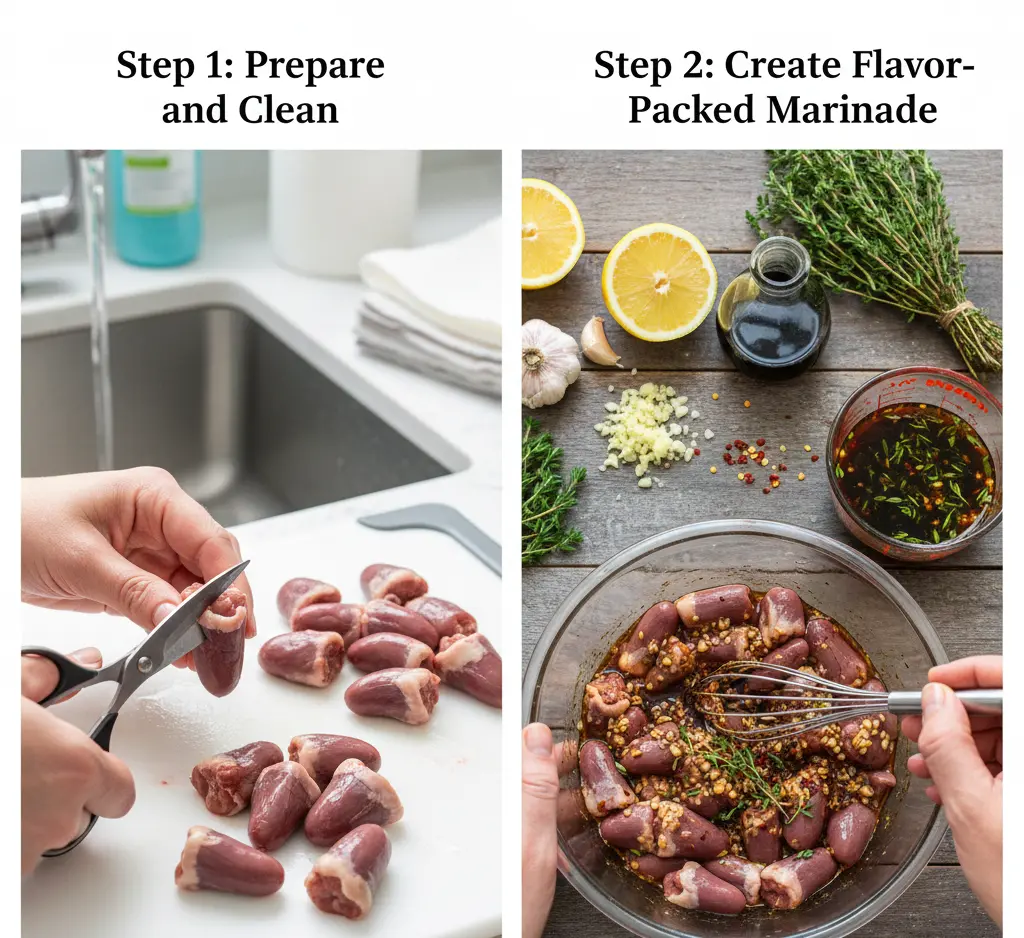
Step 1: Prepare and Clean the Chicken Hearts
Begin by thoroughly rinsing the chicken hearts under cold running water. Pat them completely dry using paper towels—this crucial step ensures proper browning rather than steaming. Trim away any excess fat, connective tissue, or blood vessels using kitchen shears or a sharp paring knife. Look for the small white tubes at the top of each heart and snip them away. While this takes a few minutes, it significantly improves texture and presentation.
Pro Tip: Well-dried hearts will develop that coveted golden-brown crust that adds textural contrast and concentrated flavor.
Step 2: Create Your Flavor-Packed Marinade
In a medium mixing bowl, whisk together the minced garlic, lemon juice, soy sauce, fresh thyme, and red pepper flakes until well combined. The acidity from the lemon juice helps tenderize the chicken hearts while the garlic and herbs infuse aromatic complexity. Add the cleaned hearts to the bowl, tossing them thoroughly to ensure every piece is coated. Cover with plastic wrap or transfer to a sealed container.
Chef’s Secret: Marinating at room temperature for 20-30 minutes allows the flavors to penetrate more effectively than refrigerated marinating, though if you’re preparing ahead, refrigeration for up to 4 hours works beautifully.
Step 3: Season and Prep for Cooking
Remove the chicken hearts from the marinade, allowing excess liquid to drip off (reserve the marinade). Pat them lightly with paper towels—you want them moist but not dripping. Season both sides with salt, black pepper, and smoked paprika. This layering of seasoning—first in the marinade, then with dry spices—creates dimensional flavor that makes each bite interesting.
Temperature Tip: Let the hearts sit at room temperature for 5-10 minutes before cooking to ensure even heat distribution and prevent the center from remaining cold while the exterior overcooks.
Step 4: Achieve the Perfect Sear
Heat a large cast-iron skillet or heavy-bottomed pan over medium-high heat until it’s genuinely hot—about 2-3 minutes. Add the olive oil and swirl to coat the pan evenly. When the oil shimmers and moves easily across the surface, it’s ready. Carefully add the chicken hearts in a single layer, ensuring they’re not crowded (work in batches if necessary). Let them cook undisturbed for 3-4 minutes—resist the urge to move them.
Critical Technique: The key to tender chicken hearts is high heat for a short duration. You’re aiming for an internal temperature of 165°F, but they’ll continue cooking slightly after removal due to carryover heat. Overcooking makes them rubbery, so err on the side of caution.

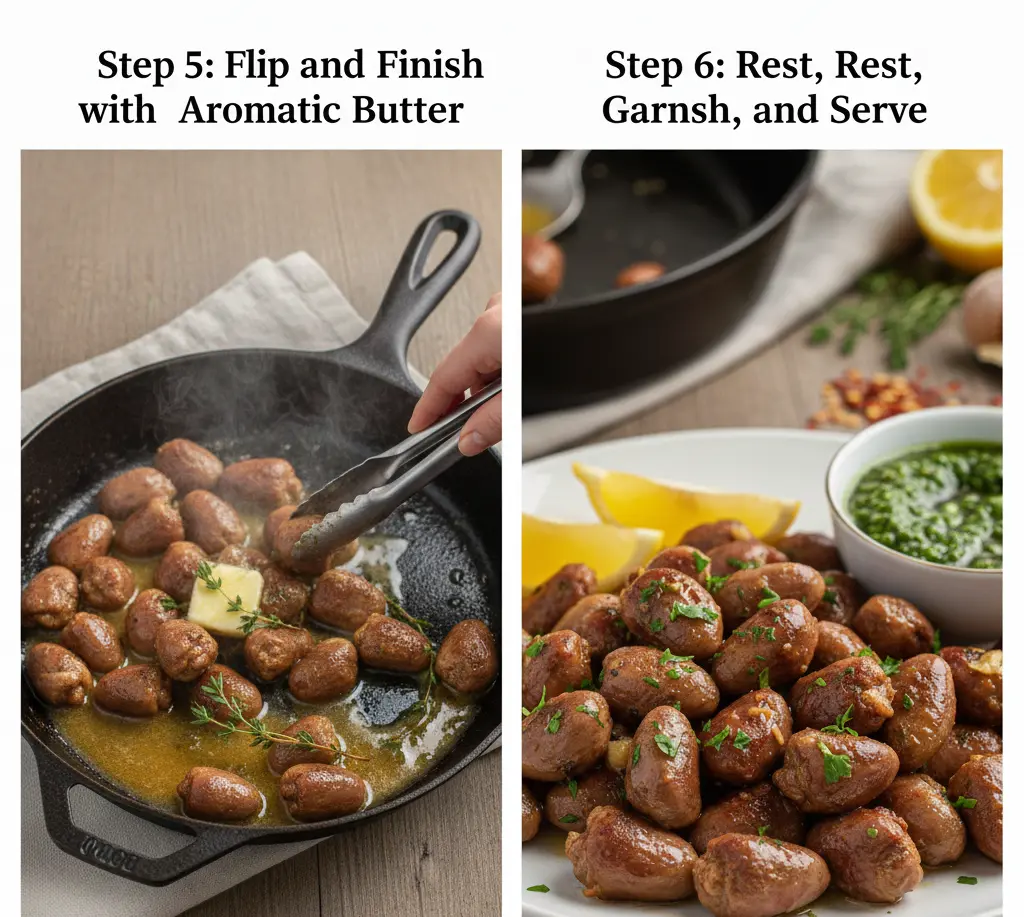
Step 5: Flip and Finish with Aromatic Butter
When the first side develops a deep golden-brown crust, flip each heart using tongs. Cook for an additional 2-3 minutes on the second side. Reduce heat to medium, add the butter to the pan along with any reserved marinade (the acidity will have neutralized during the initial cooking), and toss the chicken hearts in this luxurious sauce for 30-60 seconds until they’re glossy and fully coated.
Flavor Maximization: The butter not only adds richness but also helps the pan sauce emulsify with the marinade remnants, creating a cohesive coating that clings to each heart.
Step 6: Rest, Garnish, and Serve
Transfer the cooked chicken hearts to a serving platter and let them rest for 2-3 minutes—this allows the juices to redistribute throughout the meat. Garnish generously with fresh chopped parsley and serve immediately with lemon wedges on the side. The bright acidity of fresh lemon juice squeezed over the top cuts through the richness and elevates every flavor.
Serving Suggestions: These chicken hearts pair exceptionally well with creamy polenta, garlic rice, crusty bread for soaking up the pan sauce, or a simple arugula salad dressed with olive oil and lemon. For a Brazilian-inspired presentation, serve them on skewers with chimichurri sauce.
Nutritional Information: A Powerhouse of Essential Nutrients
Chicken hearts are among the most nutritionally dense foods available, offering exceptional value for health-conscious eaters. Here’s the comprehensive breakdown per serving (approximately 4 ounces of cooked chicken hearts):
Macronutrients:
- Calories: 185 kcal
- Protein: 26 grams (52% of daily value)
- Total Fat: 8 grams
- Saturated Fat: 2.5 grams
- Monounsaturated Fat: 3 grams
- Polyunsaturated Fat: 1.5 grams
- Carbohydrates: 1 gram
- Fiber: 0 grams
- Sugar: 0 grams
Micronutrients (% Daily Value based on 2,000 calorie diet):
- Iron: 9.2 mg (51% DV) — Exceptional source of heme iron, which is significantly more bioavailable than plant-based iron sources
- Zinc: 3.8 mg (35% DV) — Supports immune function and wound healing
- Selenium: 28 mcg (51% DV) — Powerful antioxidant that supports thyroid function
- Vitamin B12: 7.9 mcg (329% DV) — Critical for nerve function and red blood cell formation
- Riboflavin (B2): 1.2 mg (92% DV) — Essential for energy metabolism
- Niacin (B3): 4.8 mg (30% DV) — Supports cardiovascular health
- Folate: 65 mcg (16% DV) — Important for cell division and DNA synthesis
- Phosphorus: 205 mg (16% DV) — Vital for bone health