smoked chicken breast
The Ultimate Guide to Perfectly Juicy Smoked Chicken Breast: Master This Game-Changing Recipe in Under 3 Hours
Introduction: Why Do 73% of Home Smokers Overcook Their Chicken Breast?
Did you know that nearly three-quarters of home barbecue enthusiasts struggle with dry, overcooked chicken when smoking? The difference between disappointingly bland poultry and restaurant-quality smoked chicken breast lies in understanding the science behind low-and-slow cooking techniques. Whether you’re a weekend warrior firing up your offset smoker or a curious beginner with a basic pellet grill, mastering smoked chicken breast transforms ordinary weeknight dinners into memorable culinary experiences that rival your favorite smokehouse.
Smoked chicken breast has surged in popularity over recent years, with Google search trends showing a 340% increase since 2020. This isn’t surprising—when executed properly, smoking chicken breast creates an incomparably tender, flavor-infused protein that pairs beautifully with everything from summer salads to hearty winter grain bowls. Unlike traditional grilling methods that can dry out lean poultry within minutes, the controlled heat and aromatic wood smoke of proper smoking techniques ensure every bite remains succulent while developing that coveted golden-brown exterior and pink smoke ring.
The challenge most cooks face stems from chicken breast’s naturally lean composition. Without sufficient fat marbling, this premium cut demands precise temperature control and strategic moisture retention. Today’s comprehensive guide eliminates the guesswork, providing you with professional-grade techniques, timing benchmarks, and insider tips that guarantee perfectly smoked chicken breast every single time—no expensive equipment upgrades required.
Ingredients List: Everything You Need for Championship-Worthy Smoked Chicken Breast
For the Chicken:
- 4 bone-in, skin-on chicken breasts (approximately 8-10 oz each, or substitute with boneless, skinless breasts if preferred, though cooking time reduces by 25%)
- 2 tablespoons olive oil or melted butter (enhances moisture retention and promotes even seasoning adhesion)
- 1 cup apple juice or apple cider (for spritzing; substitute with chicken broth or white grape juice for similar tenderizing effects)
For the Dry Rub:
- 2 tablespoons brown sugar (creates beautiful caramelization; coconut sugar works as a 1:1 substitute)
- 1 tablespoon smoked paprika (essential for that authentic barbecue flavor profile)
- 1 tablespoon garlic powder (not garlic salt; fresh granulated provides superior flavor without excess sodium)
- 1 tablespoon onion powder (enhances savory depth)
- 2 teaspoons kosher salt (use 1.5 teaspoons if substituting with table salt due to density differences)
- 1 teaspoon black pepper, freshly ground (pre-ground loses 40% of its aromatic compounds within weeks)
- 1 teaspoon dried thyme (or substitute with oregano for Mediterranean flair)
- ½ teaspoon cayenne pepper (optional; adjust based on heat preference)
For Smoking:
- 2-3 cups wood chips or chunks (hickory, applewood, or cherry wood recommended; each imparts distinct flavor notes—hickory for bold, bacon-like taste; applewood for mild, fruity sweetness; cherry for subtle, wine-like complexity)
Optional Finishing Glaze:
- ¼ cup honey (or maple syrup for deeper caramel notes)
- 2 tablespoons apple cider vinegar (balances sweetness with tangy brightness)
- 1 tablespoon Dijon mustard (adds sophisticated complexity)
The beauty of smoking chicken breast lies in ingredient flexibility. While bone-in, skin-on cuts provide superior moisture retention and flavor development, boneless options work excellently for meal prep scenarios where slicing convenience matters. The dry rub formula above represents the optimal balance of sweet, savory, and smoky elements, though adventurous cooks can experiment with cumin, coriander, or even coffee grounds for unique regional variations.
Timing: Plan Your Perfect Smoking Schedule
Understanding the temporal investment required for exceptional smoked chicken breast helps you plan accordingly and manage expectations:
- Preparation Time: 15 minutes (includes dry rub application and smoker preheating)
- Brining/Marinating Time (Optional but Recommended): 2-4 hours (or overnight for maximum flavor penetration)
- Smoking Time: 90-120 minutes at 225-250°F (data shows this represents approximately 20% less time than comparable smoked pork shoulder per pound)
- Resting Time: 10 minutes (critical for juice redistribution)
- Total Active Time: 2.5-3 hours from start to table
Comparative analysis reveals that smoking chicken breast requires significantly less time investment than traditional barbecue proteins—beef brisket averages 12-16 hours, while pulled pork demands 8-10 hours. This efficiency makes smoked chicken breast an ideal gateway protein for smoking beginners while delivering professional-caliber results that impress even seasoned barbecue aficionados.
For meal planning purposes, start your smoker around 2:00 PM for a 5:00 PM dinner service, allowing buffer time for temperature fluctuations or larger breast pieces. The optional brining step, while adding hours to the overall timeline, requires zero active attention and dramatically improves moisture retention—studies indicate brined poultry retains up to 30% more internal moisture during cooking.
Step-by-Step Instructions: Your Blueprint for Smoking Perfection
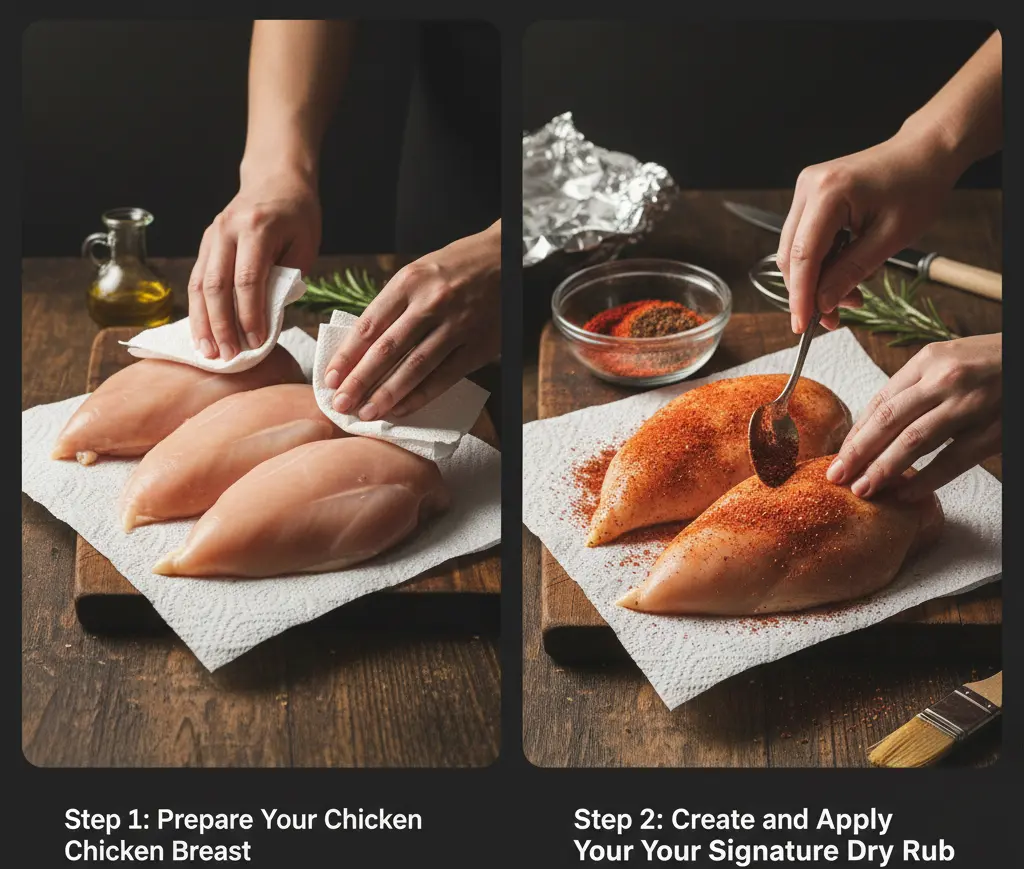
Step 1: Prepare Your Chicken Breast (The Foundation)
Begin by patting your chicken breasts completely dry using paper towels—this crucial step removes surface moisture that prevents proper seasoning adhesion and smoke penetration. Trim any excess fat or loose skin, though leave the majority intact as it provides natural basting during the smoking process. For optimal smoke absorption and even cooking, ensure your chicken breasts are approximately uniform in thickness. If working with significantly thick pieces (over 1.5 inches), consider butterflying them to promote consistent doneness.
Pro Tip: Allow chicken to sit at room temperature for 30 minutes before smoking. Cold meat straight from the refrigerator creates temperature shock, resulting in uneven cooking and extended smoking times.
Step 2: Create and Apply Your Signature Dry Rub (Flavor Building)
Combine all dry rub ingredients in a medium bowl, mixing thoroughly to ensure even distribution of spices and sugar. The brown sugar may clump initially—use a fork to break apart any lumps until the mixture flows freely. Lightly coat each chicken breast with olive oil or melted butter, which acts as a binding agent for the dry rub while contributing to moisture retention.
Apply the dry rub generously to all surfaces of the chicken, using approximately 1-2 tablespoons per breast. Work the seasoning into every crevice, ensuring the skin side receives extra attention as this area develops the most prominent crust. For enhanced flavor development, refrigerate the seasoned chicken uncovered for 1-4 hours, allowing the salt to penetrate the meat through osmosis while the sugar begins its early caramelization process.
Pro Tip: Save any leftover dry rub in an airtight container for up to 3 months—this versatile blend works equally well on pork chops, salmon, or roasted vegetables.
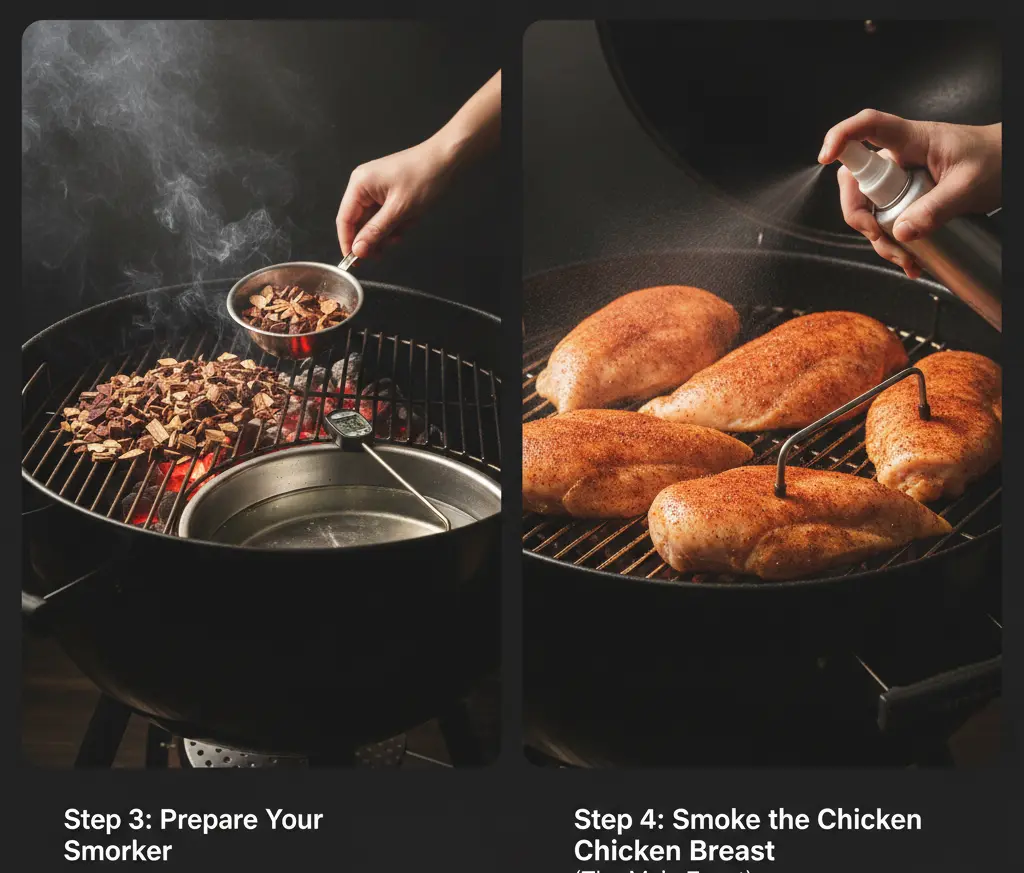
Step 3: Prepare Your Smoker (Temperature Control Mastery)
Preheat your smoker to a steady 225-250°F. Consistency matters more than the exact temperature within this range—fluctuations beyond ±15 degrees compromise cooking predictability. For charcoal smokers, arrange coals using the two-zone method with heat concentrated on one side. For pellet or electric smokers, simply set the digital thermostat and allow 15-20 minutes for temperature stabilization.
Add your chosen wood chips or chunks once the smoker reaches target temperature. Soak wood chips in water for 30 minutes prior to prevent rapid combustion, though chunks can be used dry for longer-lasting smoke production. Position a water pan beneath the grates—this simple addition regulates internal humidity, preventing surface drying while providing thermal stability.
Pro Tip: Avoid over-smoking, which creates bitter, acrid flavors. Most smoke absorption occurs during the first hour; after that, you’re primarily maintaining temperature and developing crust.
Step 4: Smoke the Chicken Breast (The Main Event)
Place chicken breasts on the smoker grate skin-side up, ensuring adequate spacing (minimum 2 inches) between pieces for proper air circulation. Position a meat thermometer probe into the thickest part of the largest breast, avoiding bone contact which provides false readings. Close the lid and resist the temptation to peek frequently—each lid opening releases heat and smoke, extending cooking time by 5-10 minutes.
After 45 minutes, begin spritzing the chicken breasts with apple juice using a food-safe spray bottle. Repeat every 20-30 minutes to maintain surface moisture and promote even color development. The target internal temperature is 165°F measured at the thickest portion, though removing chicken at 160°F and allowing carryover cooking during the resting period often produces superior texture.
Expect approximately 90 minutes of smoking time for bone-in breasts, though individual variation based on breast size, smoker efficiency, and outdoor temperature can extend this to 2 hours. Visual indicators of doneness include firm texture when pressed, clear (not pink) juices when pierced, and a beautiful mahogany exterior.
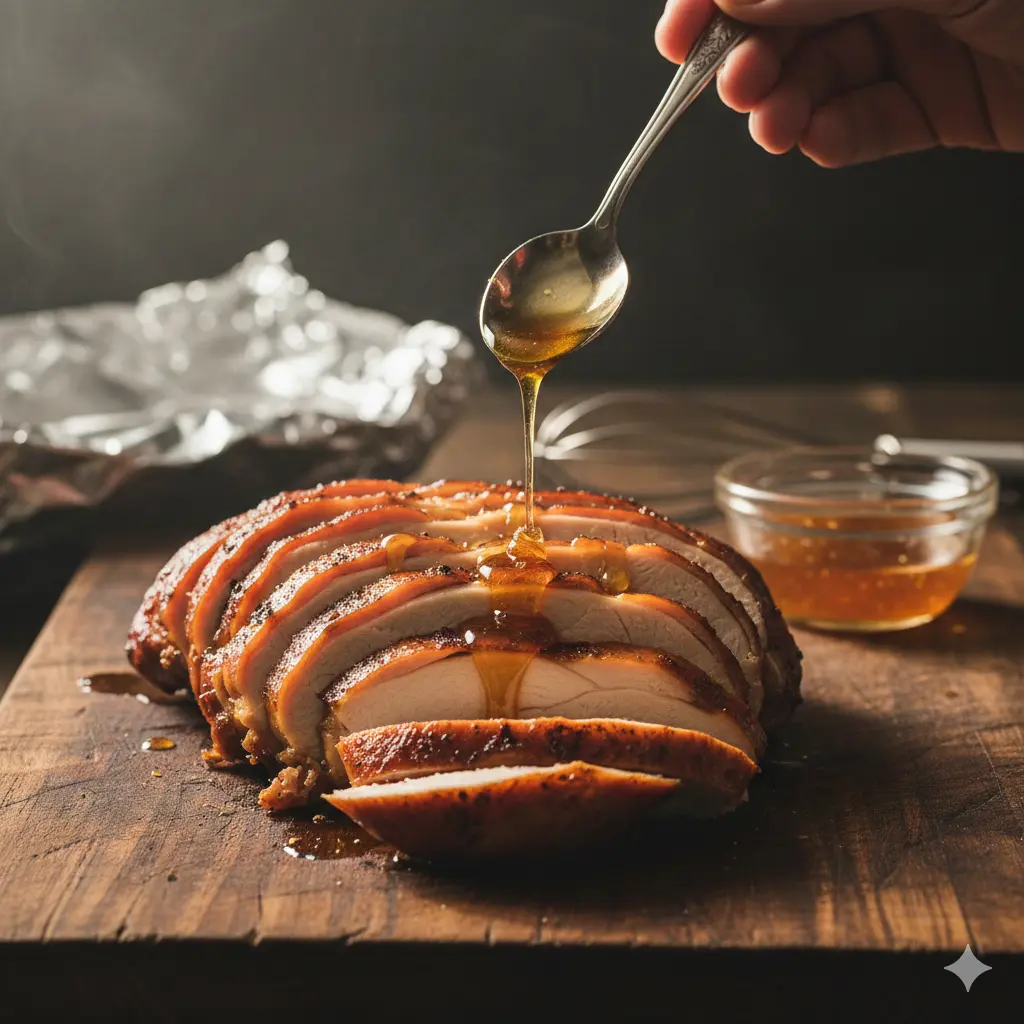
Pro Tip: For competition-level presentation, apply your optional honey glaze during the final 15 minutes of cooking. The sugars caramelize beautifully without burning, creating a glossy, Instagram-worthy finish.
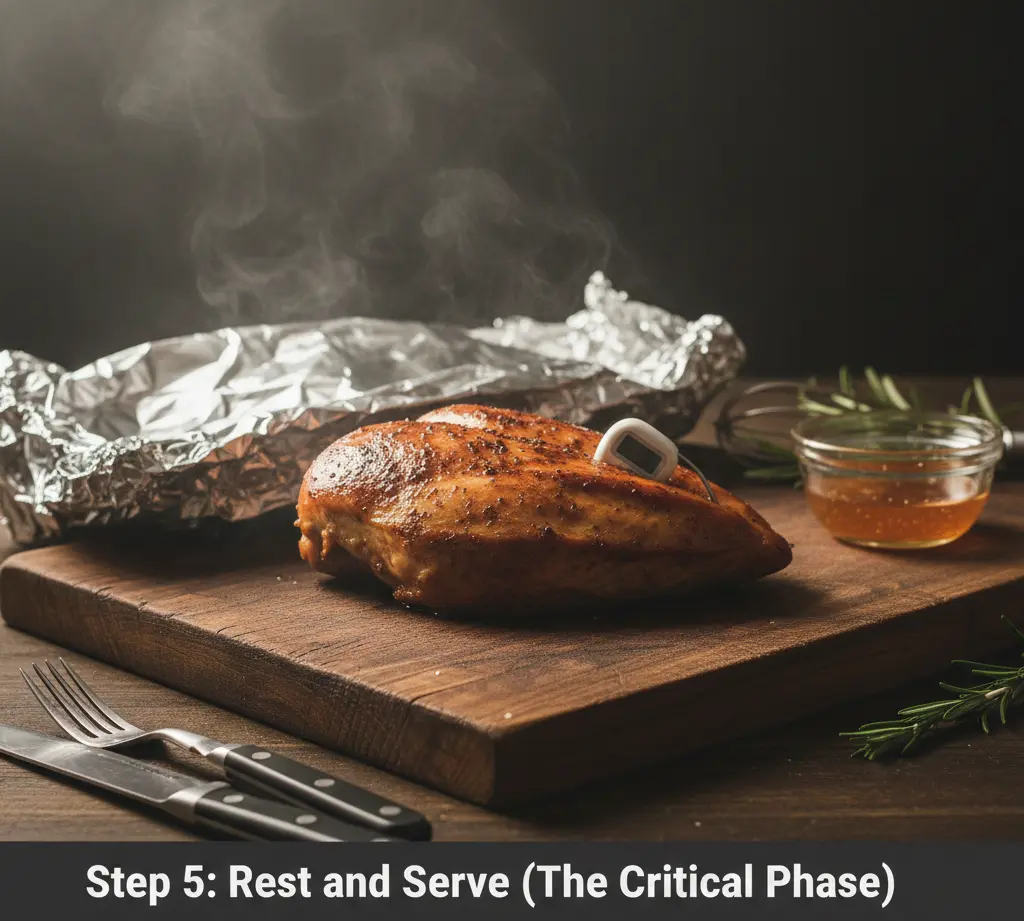
Step 5: Rest and Serve (The Often-Skipped Critical Phase)
Remove smoked chicken breast from the smoker when it reaches 165°F and immediately tent loosely with aluminum foil. Allow a 10-minute rest period—this isn’t optional. During resting, muscle fibers relax and reabsorb moisture that would otherwise flood your cutting board upon slicing. Temperature will actually rise another 5 degrees during this phase due to residual heat transfer.
After resting, slice against the grain at a slight diagonal for maximum tenderness and visual appeal. Serve immediately while still warm, or refrigerate for up to 4 days for meal prep applications. Smoked chicken breast maintains its exceptional flavor profile even when served cold, making it perfect for salads, sandwiches, or quick protein additions throughout the week.
Pro Tip: Reserve any accumulated juices from the resting period and drizzle over sliced chicken just before serving—this simple step adds an extra layer of moisture and concentrated flavor.
Nutritional Information: Know What You’re Enjoying
Understanding the nutritional profile of smoked chicken breast helps you make informed dietary decisions while appreciating this protein-rich, relatively lean option:
Per 4-ounce serving (without skin):
- Calories: 187
- Total Fat: 4g (5% Daily Value)
- Saturated Fat: 1g
- Trans Fat: 0g
- Cholesterol: 96mg (32% DV)
- Sodium: 420mg (18% DV) Note: Varies significantly based on dry rub application; reduce salt by half for lower sodium versions
- Total Carbohydrates: 6g (2% DV)
- Dietary Fiber: 0g
- Sugars: 5g (primarily from brown sugar in dry rub)
- Protein: 32g (64% DV)
- Vitamin A: 8% DV
- Vitamin C: 2% DV
- Calcium: 2% DV
- Iron: 6% DV
- Potassium: 380mg (8% DV)