How Long to Cook Salmon in Oven
Understanding Salmon Cooking Times: The Golden Rule
The fundamental answer to how long to cook salmon in oven depends on three critical factors: oven temperature, salmon thickness, and your desired level of doneness. As a general rule, salmon should be baked at 400°F (200°C) for approximately 12-15 minutes per inch of thickness. This timing produces salmon that’s cooked through while remaining tender and moist inside.
For a standard salmon fillet that’s about 1 inch thick, you’re looking at roughly 12-15 minutes in a preheated 400°F oven. If your fillet is thicker—closer to 1.5 inches—you’ll need to extend the cooking time to 18-20 minutes. Thinner fillets, around half an inch thick, typically require only 8-10 minutes.
The key is understanding that salmon continues cooking slightly after you remove it from the oven due to residual heat, so pulling it out when it’s just shy of your target doneness will yield the best results.
Optimal Oven Temperature for Baking Salmon
While 400°F is the sweet spot for most home cooks, the baking temperature you choose significantly impacts both cooking time and final texture. Let me break down the most common temperature options:
350°F (175°C) – Low and Slow: At this lower temperature, plan for 20-25 minutes for a 1-inch fillet. This method produces extremely tender salmon with minimal risk of overcooking, making it ideal for beginners.
375°F (190°C) – Moderate Heat: This middle-ground temperature requires 15-18 minutes for standard fillets. It offers a balance between gentle cooking and developing light caramelization on the surface.
400°F (200°C) – The Standard: As mentioned, this is the most popular temperature, requiring 12-15 minutes. It’s fast, reliable, and produces consistently excellent results with a slightly firmer texture.
425°F (220°C) – High Heat: For those who prefer a more caramelized exterior, this temperature cooks salmon in just 10-12 minutes. However, there’s less margin for error at this heat level.
450°F (230°C) – Quick Roast: The fastest method at 8-10 minutes, but it requires careful monitoring to prevent drying out the fish.
How to Tell When Salmon is Perfectly Cooked
Knowing how long to cook salmon in oven is important, but recognizing when it’s actually done is equally crucial. Here are the most reliable indicators:
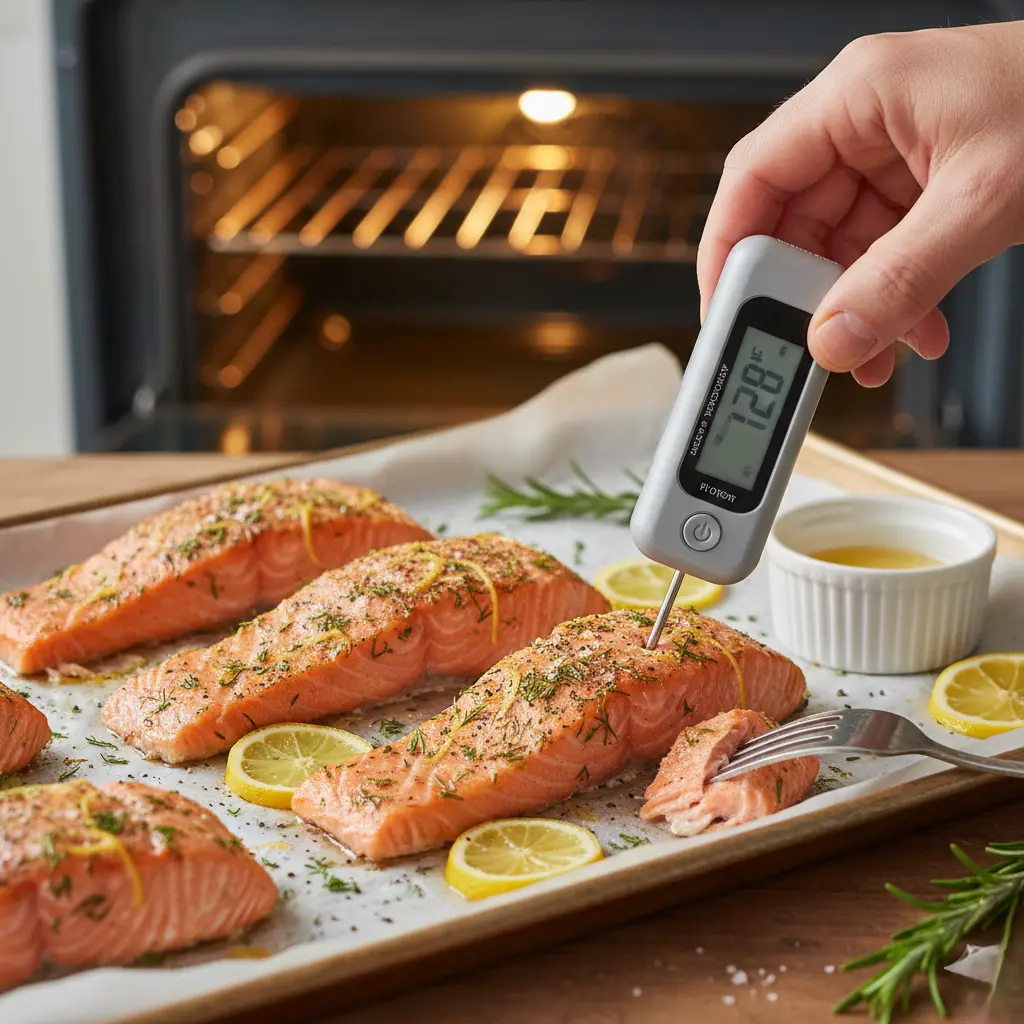
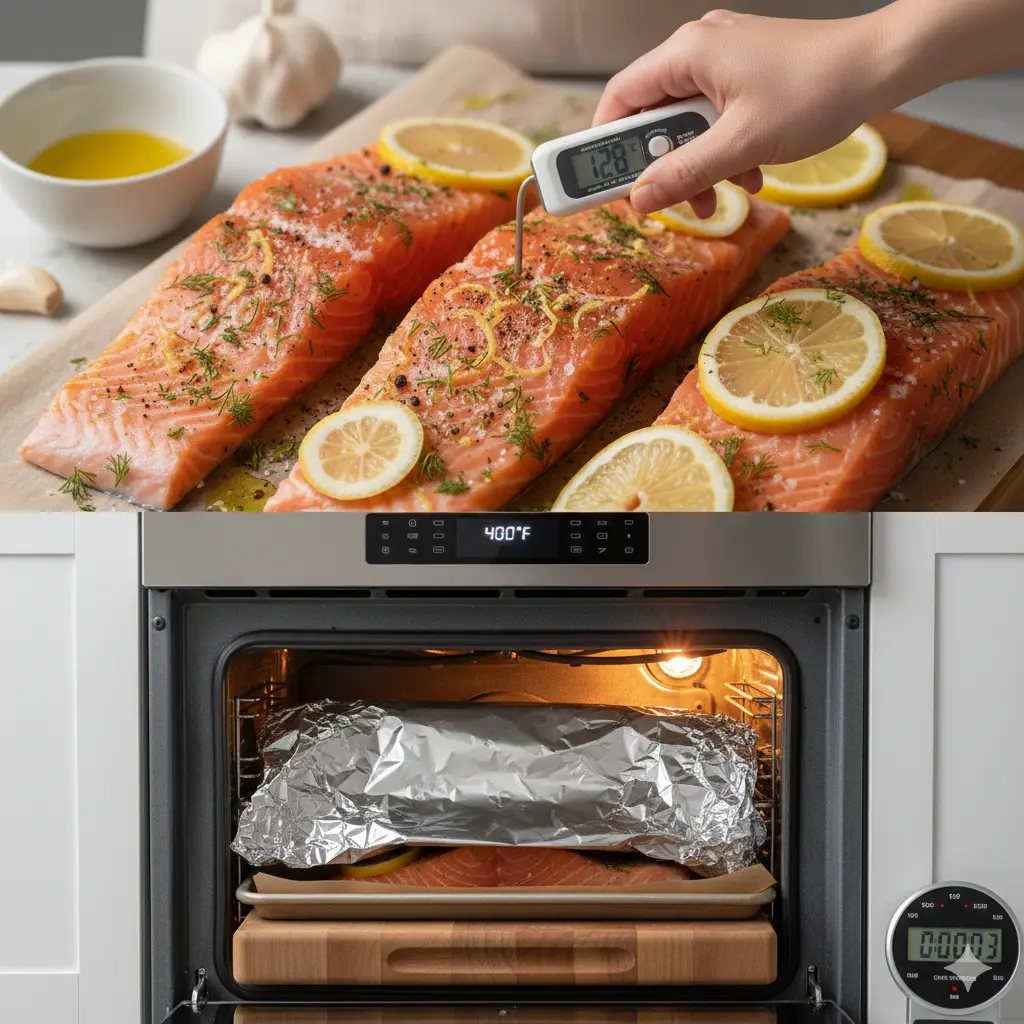
Internal Temperature: The USDA recommends cooking salmon to an internal temperature of 145°F (63°C). However, many chefs prefer pulling salmon at 125-130°F for medium-rare, which results in a more buttery, melt-in-your-mouth texture. Use an instant-read thermometer inserted into the thickest part of the fillet for accuracy.
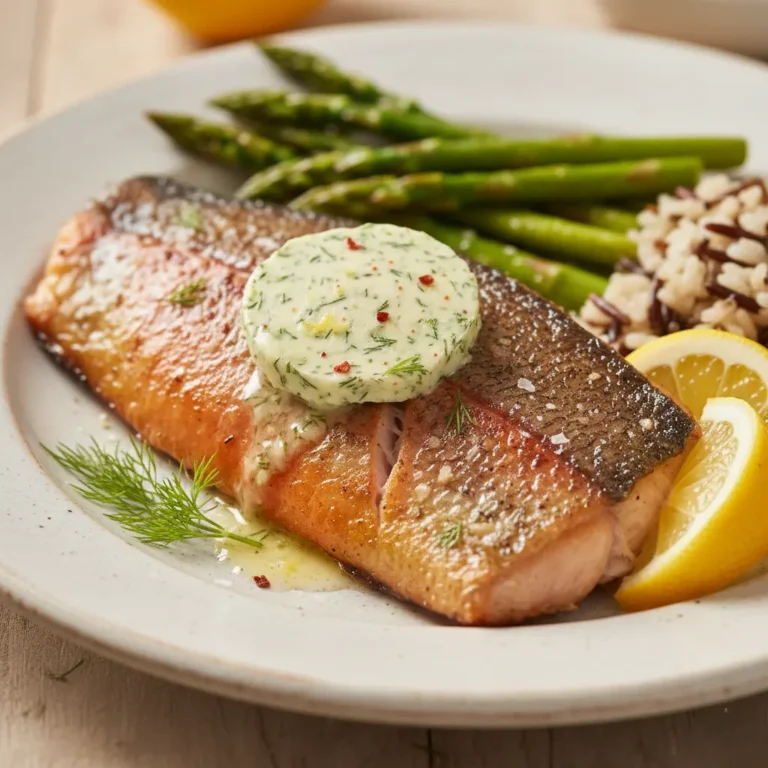
Visual Cues: Properly cooked salmon transitions from translucent to opaque. The flesh should appear lighter pink or peachy, and you should see white protein (albumin) beginning to appear on the surface—though excessive albumin indicates overcooking.
Flake Test: Gently press a fork into the thickest part of the salmon and twist slightly. The fish should flake easily along the natural lines but still hold together. If it crumbles apart, it’s overcooked; if it resists flaking, it needs more time.
Touch Test: Experienced cooks can gauge doneness by touch. Perfectly cooked salmon feels similar to pressing the fleshy part of your palm below your thumb when you touch your thumb to your middle finger—slightly firm but with give.
Step-by-Step Method for Baking Salmon in the Oven
Now that you understand the timing fundamentals, let’s walk through the complete process for baking salmon to perfection:
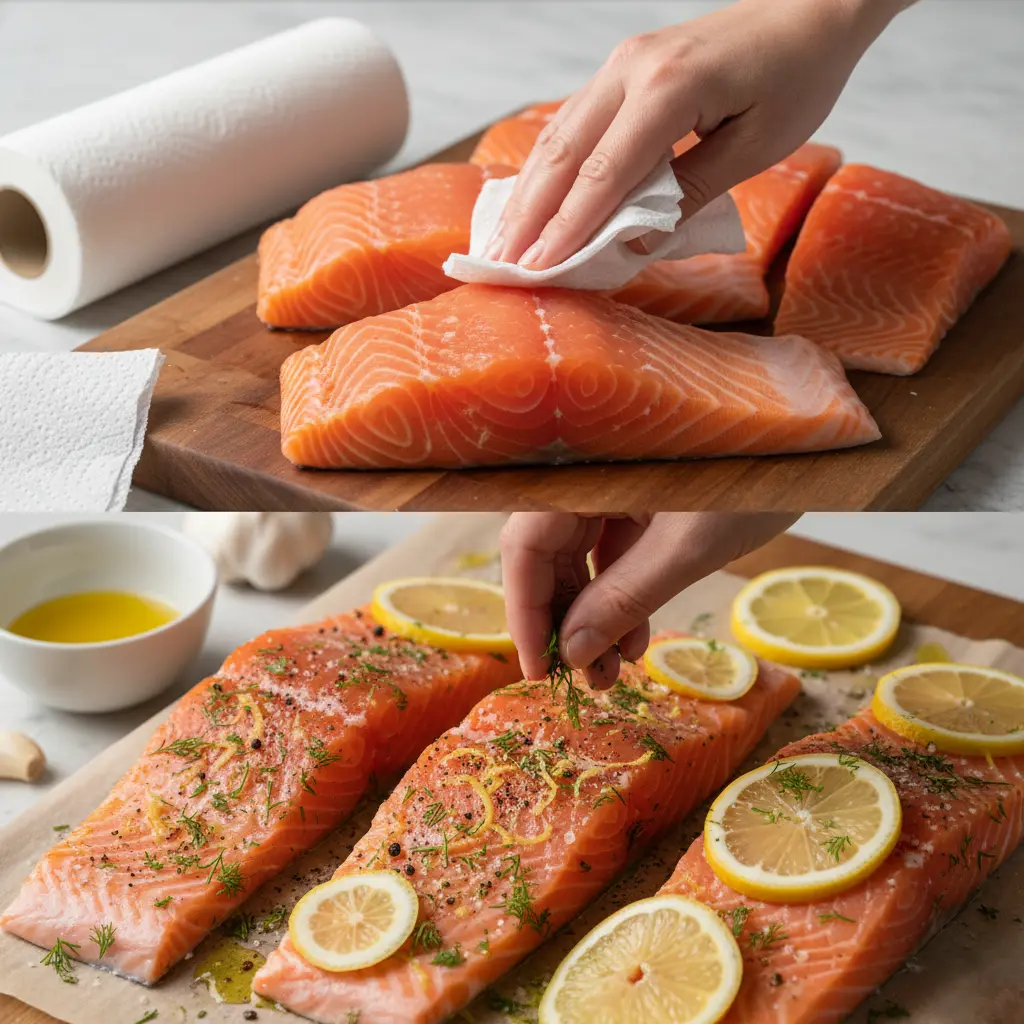
Step 1: Prepare Your Salmon: Remove the salmon from the refrigerator 15-20 minutes before cooking to bring it to room temperature. This ensures even cooking throughout. Pat the fillets completely dry with paper towels, as moisture on the surface will create steam rather than allowing proper browning.
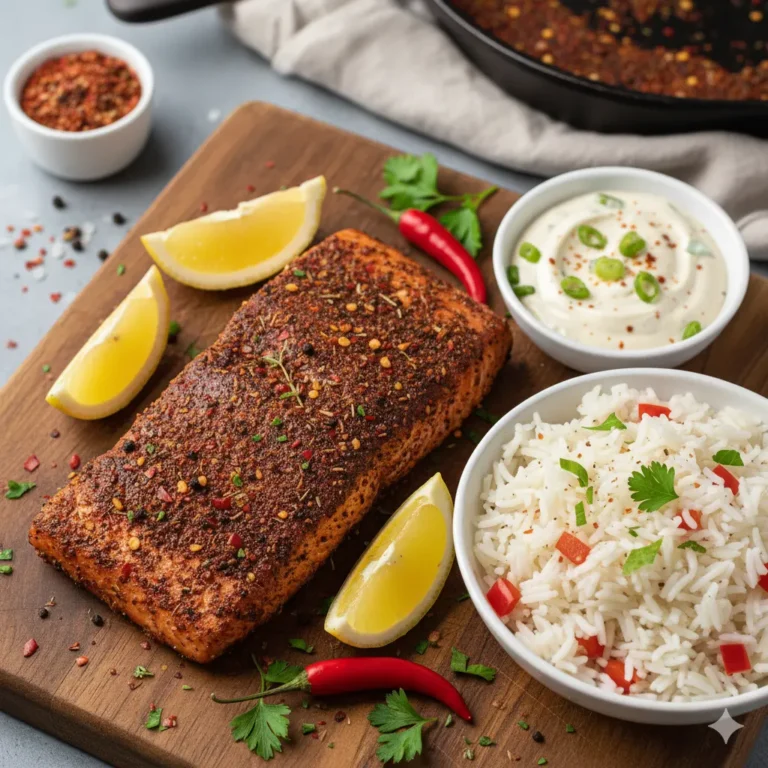
Step 2: Season Generously: At minimum, season both sides with salt and freshly ground black pepper. For enhanced flavor, add olive oil or melted butter, garlic powder, lemon zest, fresh herbs like dill or parsley, or your favorite seafood seasoning blend. Don’t be shy with seasonings—salmon can handle bold flavors.
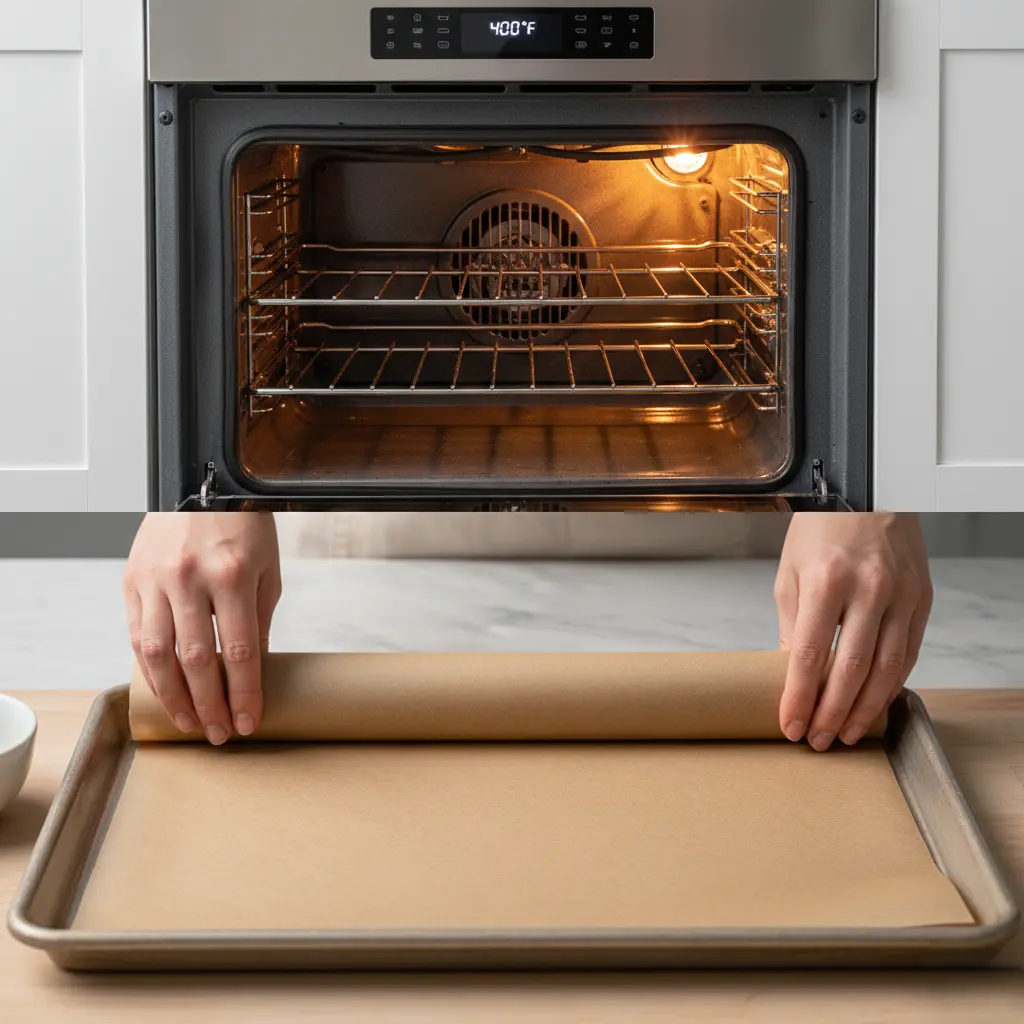
Step 3: Preheat Your Oven: Set your oven to 400°F and allow it to fully preheat for at least 10 minutes. A properly preheated oven ensures consistent cooking and better texture.
Step 4: Choose Your Cooking Vessel: Line a baking sheet with parchment paper or lightly grease it with oil. Alternatively, you can use a glass baking dish. For easy cleanup and superior results, parchment paper is highly recommended.
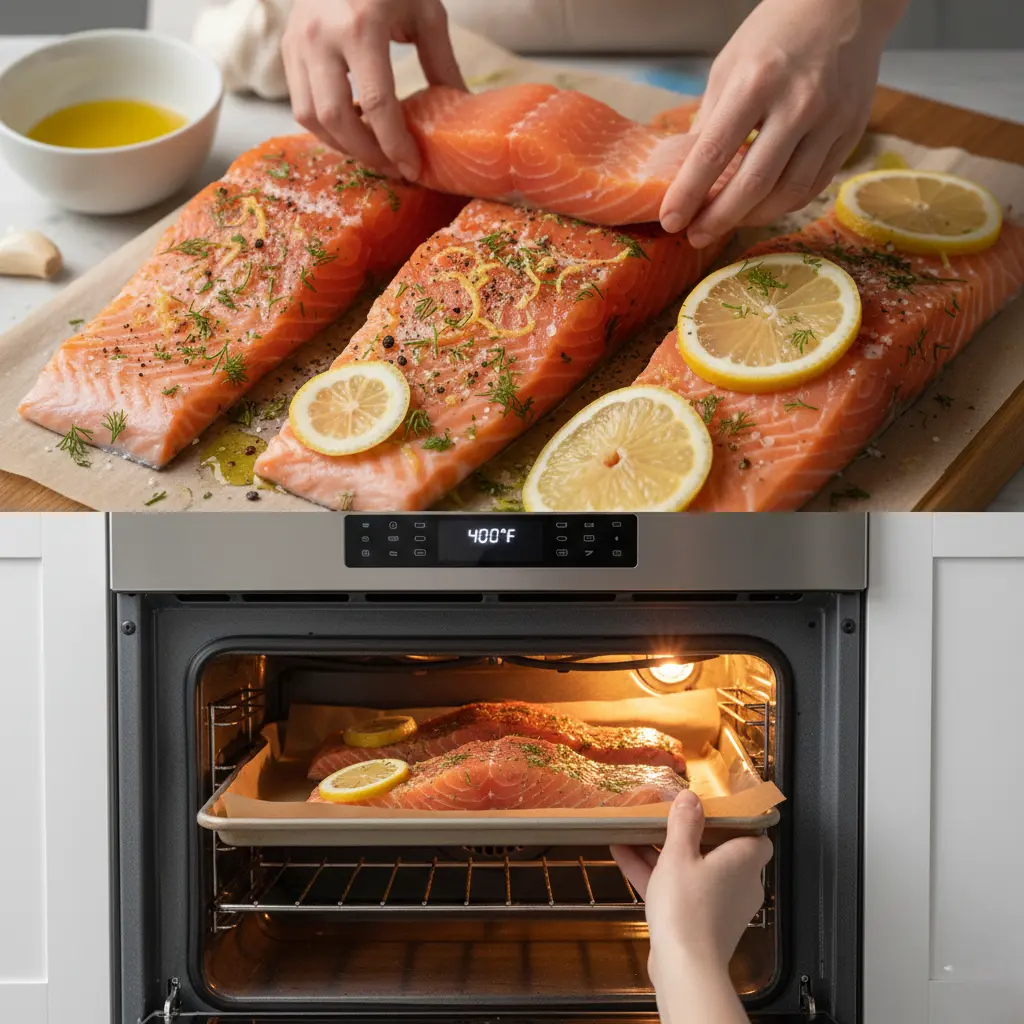
Step 5: Position the Salmon: Place the salmon fillets skin-side down (if skin is present) on the prepared baking sheet, leaving space between each piece for air circulation. This promotes even cooking and prevents steaming.
Step 6: Bake: Place the baking sheet on the middle rack of your preheated oven. For a 1-inch thick fillet at 400°F, set your timer for 12 minutes as a starting point.
Step 7: Check for Doneness: At the 12-minute mark, check the internal temperature and visual cues. If it needs more time, check again every 2 minutes to avoid overcooking.
Step 8: Rest Before Serving: Once removed from the oven, let the salmon rest for 3-5 minutes. This allows the juices to redistribute throughout the fillet, ensuring maximum moisture and flavor.
Common Mistakes That Affect Cooking Time
Even when you know how long to cook salmon in oven, certain mistakes can throw off your timing and results:
Starting with Cold Salmon: Placing refrigerator-cold salmon directly into the oven means the outside will cook much faster than the center, leading to uneven doneness. Always let salmon come to room temperature first.
Overcrowding the Pan: When fillets are too close together, they steam rather than bake, which extends cooking time and produces a soggy texture instead of the desired slightly caramelized surface.
Not Using a Thermometer: Relying solely on timing without checking internal temperature is risky, especially when dealing with fillets of varying thickness. A $10 instant-read thermometer is one of the best investments for consistent results.
Opening the Oven Repeatedly: Each time you open the oven door, the temperature drops by 25-50°F, which extends cooking time and creates uneven heat distribution.
Overcooking: This is the most common mistake with salmon. Remember that salmon continues cooking after you remove it from the heat, so err on the side of slightly underdone rather than overcooked.