
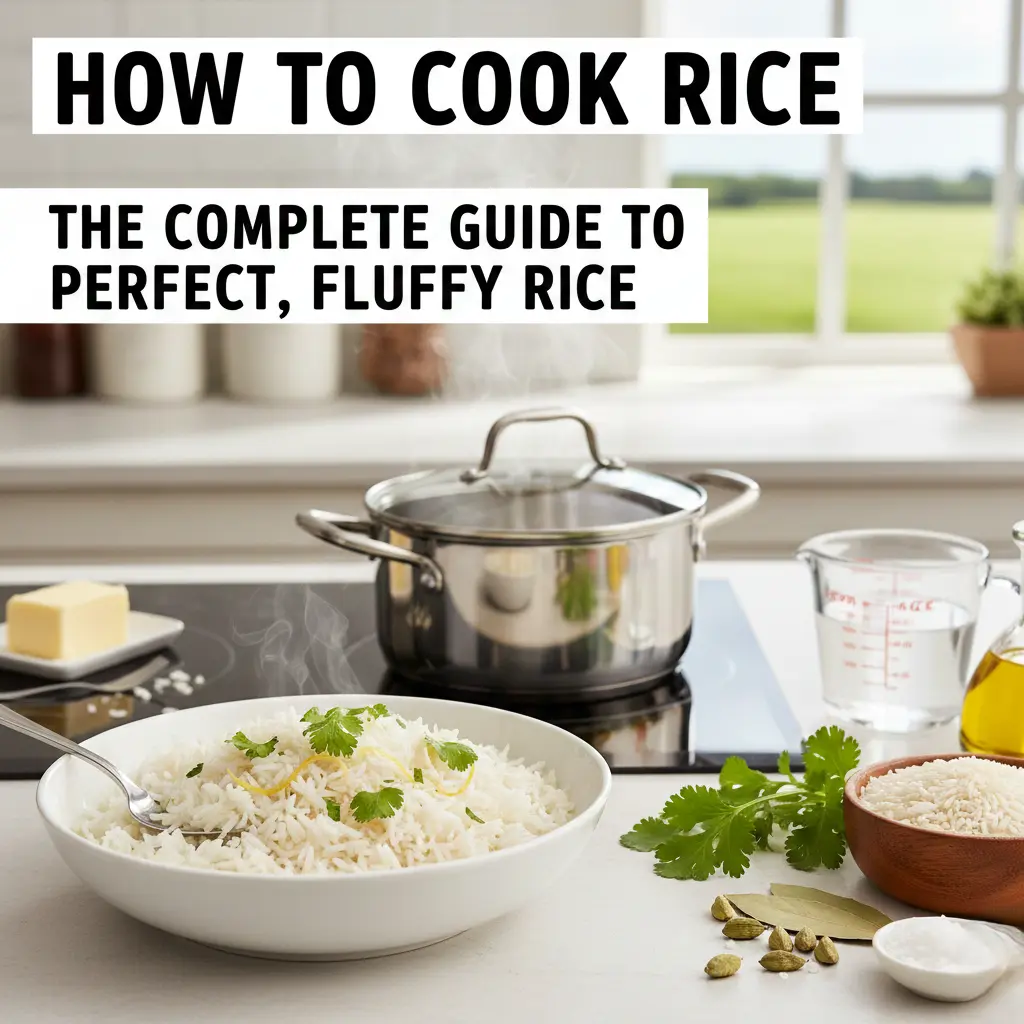
How to Cook Rice
How to Cook Rice: The Complete Guide to Perfect, Fluffy Rice Every Time
Ingredients: Everything You Need for Perfect Rice
Basic Ingredients:
- 2 cups long-grain white rice (jasmine, basmati, or standard long-grain)
- Substitutions: Medium-grain rice, brown rice (requires adjusted cooking time), or jasmine rice for aromatic results
- 3 cups water or broth (the golden 1:1.5 ratio for white rice)
- Substitutions: Chicken stock, vegetable broth, or coconut water for enhanced flavor profiles
- 1 teaspoon salt (enhances natural grain flavor)
- Optional: Use sea salt or kosher salt for cleaner taste
- 1 tablespoon butter or oil (optional, for added richness and to prevent sticking)
- Substitutions: Olive oil, coconut oil, or ghee for different flavor dimensions
Optional Flavor Enhancers:
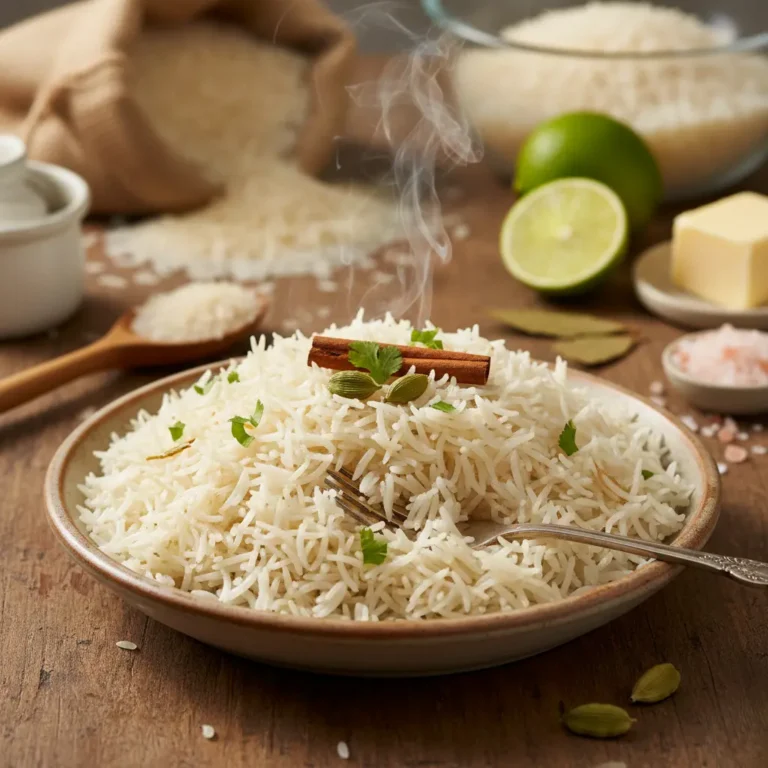
- 1 bay leaf or 2-3 cardamom pods for aromatic complexity
- 1 teaspoon cumin seeds for earthy undertones
- Fresh herbs like cilantro or parsley for garnish
- Lemon zest for bright, citrusy notes
The beauty of learning how to cook rice lies in its versatility—these simple ingredients create the foundation for countless global cuisines, from Indian biryani to Japanese sushi rice to Latin American arroz blanco.
Timing: Your Complete Rice Cooking Schedule
Understanding the time investment for cooking rice properly helps you plan meals more efficiently:
- Preparation Time: 5 minutes (rinsing and measuring)
- Cooking Time: 18-20 minutes (active cooking on stovetop)
- Resting Time: 10 minutes (crucial for texture perfection)
- Total Time: 33-35 minutes
Remarkably, this rice cooking method takes approximately 40% less active attention than many home cooks expect. Unlike pasta, which requires constant monitoring, rice cooking is largely hands-off once you’ve mastered the fundamental technique. Brown rice requires extended cooking—typically 45-50 minutes total—while instant rice reduces the timeline to just 10-12 minutes, though with some sacrifice in texture and nutritional value.
Step-by-Step Instructions: The Professional Method for Cooking Rice
Step 1: Measure Your Rice Accurately
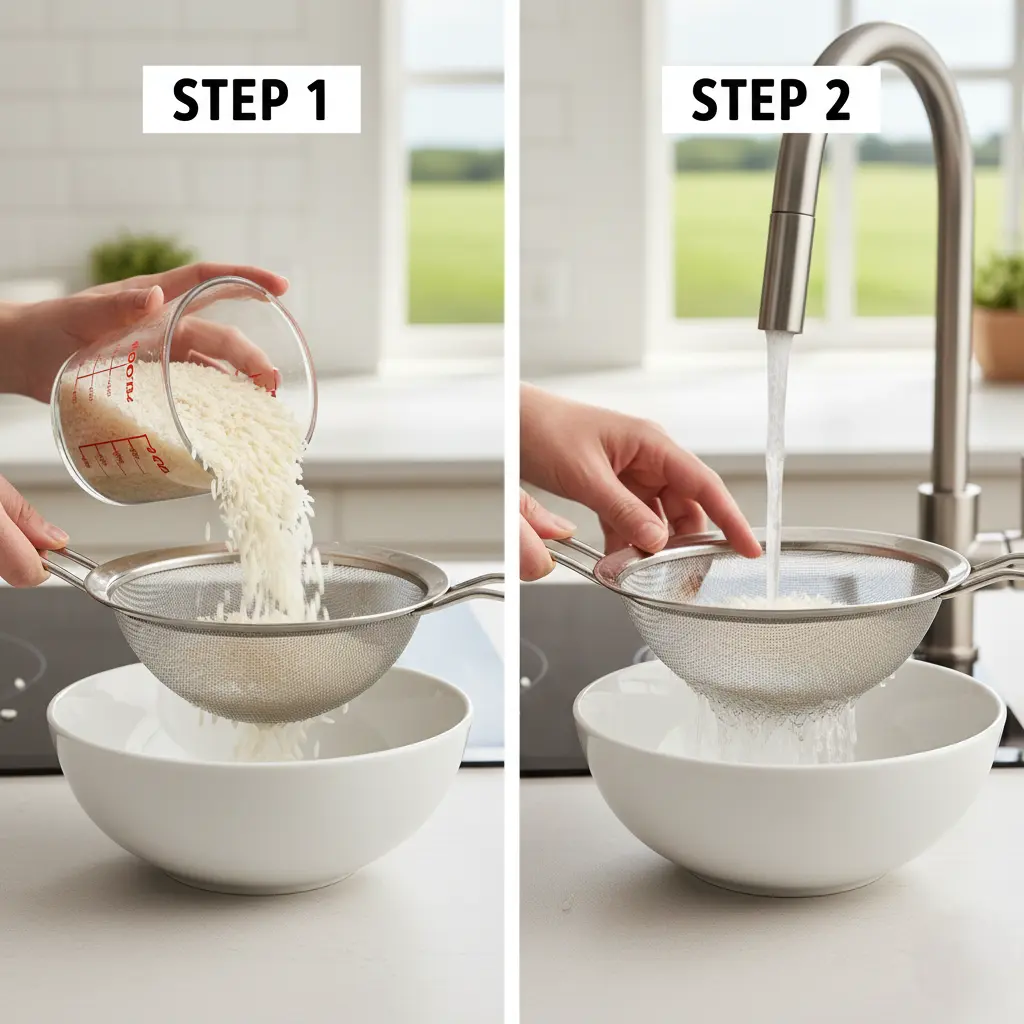
Begin by measuring exactly 2 cups of rice using a standard dry measuring cup. This precision matters significantly when learning how to cook rice—even a quarter-cup variation can affect your final water ratio and cooking results. Pour the measured rice into a fine-mesh strainer or directly into your cooking pot if you plan to rinse it there.
Pro Tip: Use the same measuring cup for both rice and water to maintain consistent ratios, even if your measurements are slightly off standard sizes.
Step 2: Rinse the Rice Thoroughly
Place your rice in a fine-mesh strainer and rinse under cold running water, gently agitating the grains with your fingers. Continue rinsing for 1-2 minutes until the water runs relatively clear rather than cloudy-white. This essential step removes excess surface starch that causes gummy, sticky rice—a common complaint in home rice cooking.
Why This Matters: Unwashed rice can be up to 30% stickier due to loose starch particles. While this is desirable for sushi rice or risotto, it’s undesirable for fluffy, separated grains.
Step 3: Combine Rice and Water in Your Pot
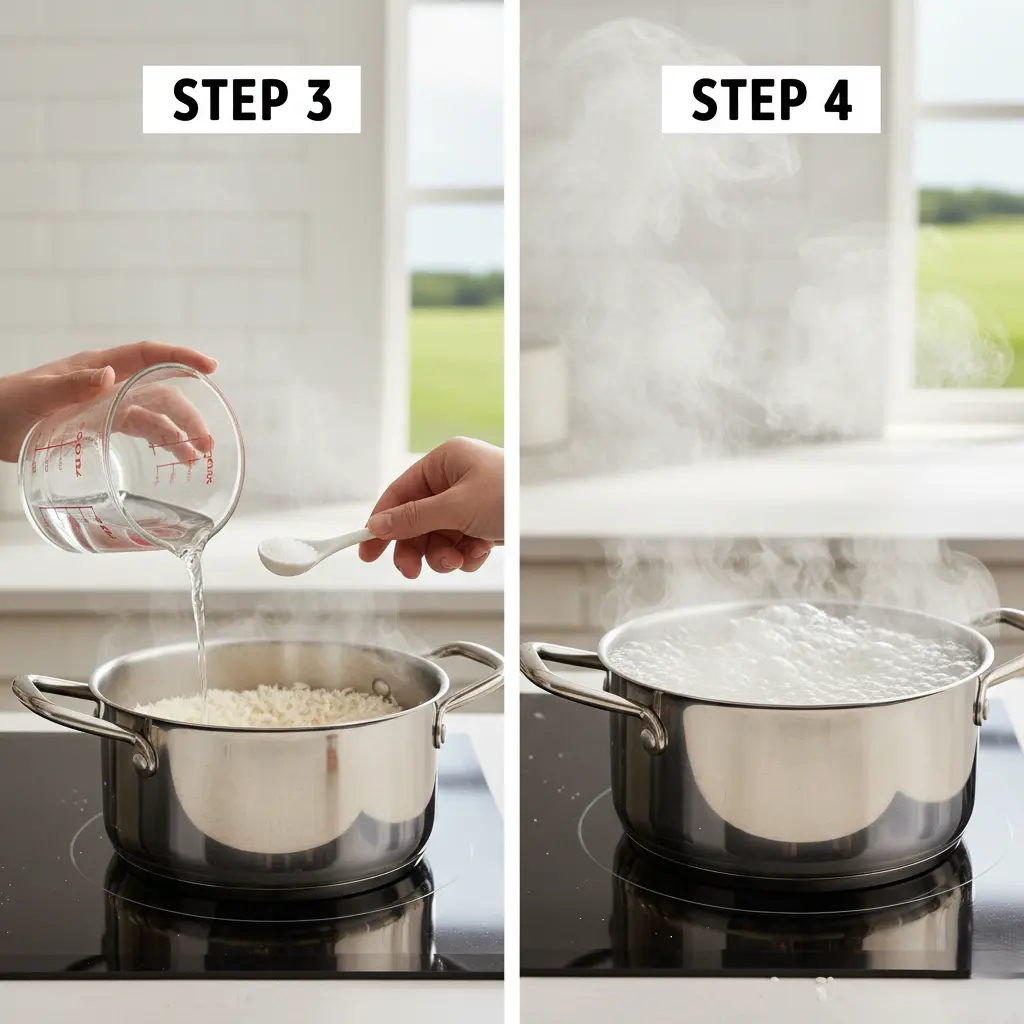
Transfer your rinsed rice to a medium saucepan (2-3 quart capacity works perfectly for this quantity). Add exactly 3 cups of cold water—this 1:1.5 rice-to-water ratio is the gold standard for cooking white rice on the stovetop. Add your teaspoon of salt and tablespoon of butter or oil if using.
Alternative Ratios: For firmer rice, use 2.5 cups water; for softer rice, increase to 3.25 cups. Brown rice requires a 1:2 or 1:2.5 ratio due to its intact bran layer.
Step 4: Bring to a Boil Over High Heat
Place your pot on the stovetop over high heat without a lid. Stir once to ensure grains aren’t clumping at the bottom. Allow the water to reach a full, rolling boil—you should see vigorous bubbling across the entire surface. This typically takes 4-6 minutes depending on your stove’s heat output.
Watch for: Large bubbles breaking the surface and steam beginning to rise. This indicates proper boiling temperature (212°F/100°C at sea level).
Step 5: Reduce Heat and Cover Immediately
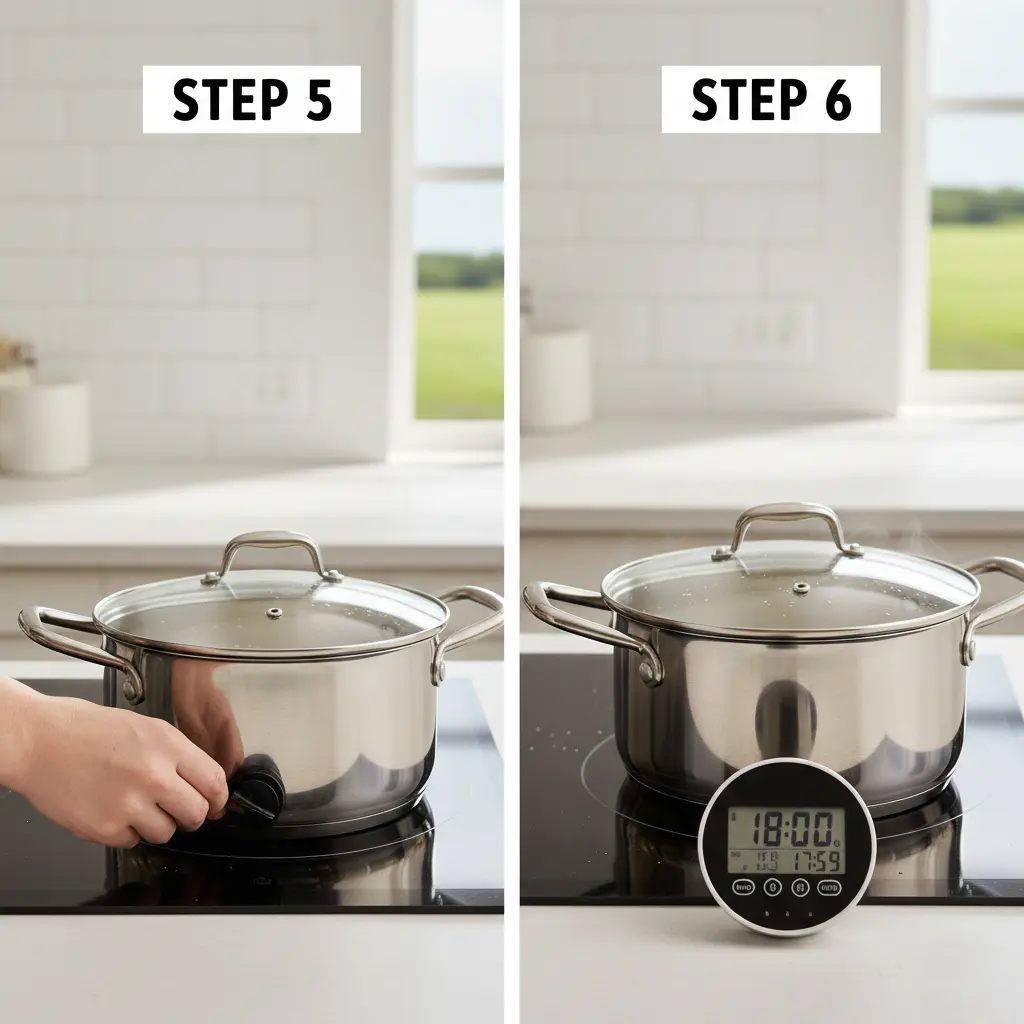
The moment your rice reaches a full boil, immediately reduce the heat to the lowest possible setting and cover the pot with a tight-fitting lid. This critical transition in how to cook rice properly creates the gentle steaming environment that allows even cooking without burning.
Common Mistake to Avoid: Never lift the lid during cooking. Each peek releases steam and drops the temperature, extending cooking time and creating uneven texture.
Step 6: Simmer for 18 Minutes Undisturbed
Set a timer for exactly 18 minutes and resist all temptation to check on your rice. During this phase, the grains absorb water through osmosis while the starch granules gelatinize, creating that tender yet firm texture we associate with perfectly cooked rice. The low, steady heat ensures the bottom doesn’t scorch while the top doesn’t remain undercooked.
Science Note: At this stage, rice absorbs water at approximately 0.15 cups per minute, with absorption rates slowing as grains become saturated.
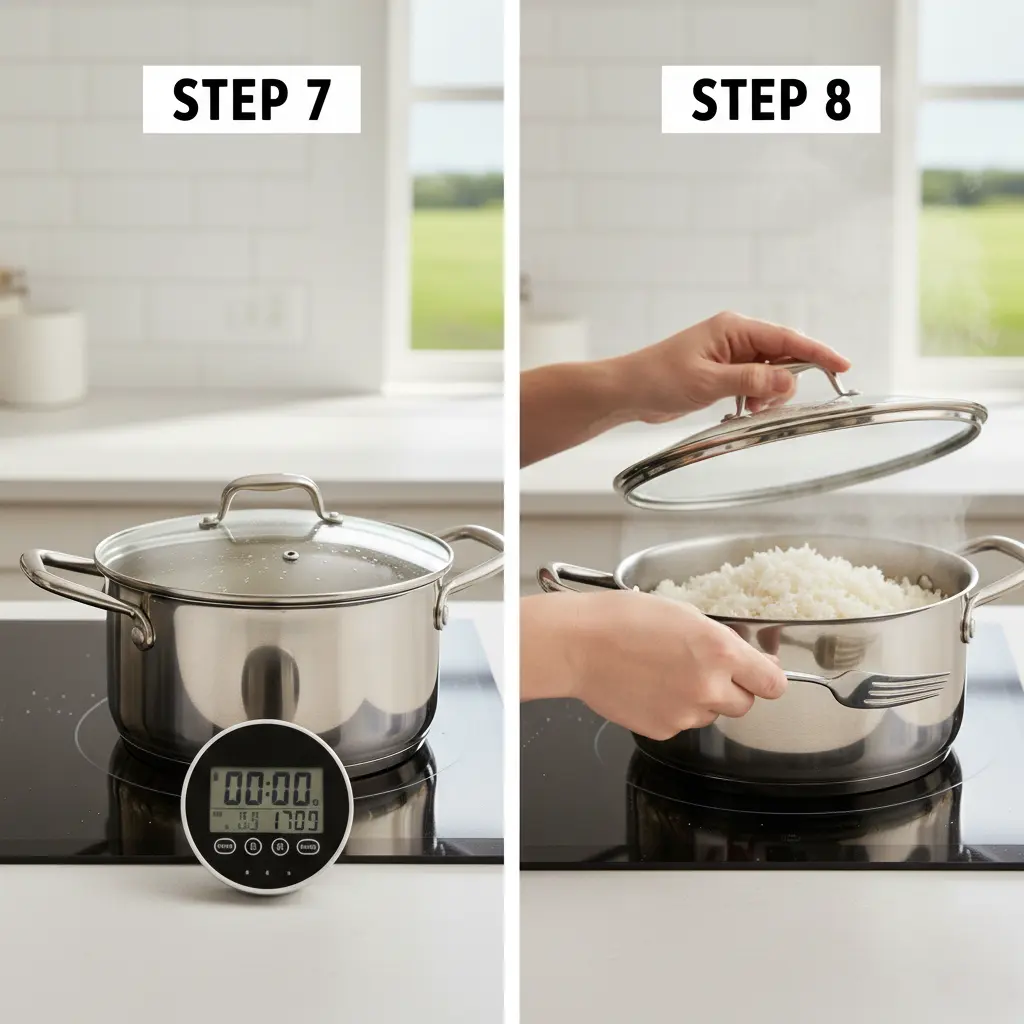
Step 7: Remove from Heat and Rest
After 18 minutes, turn off the heat completely but keep the lid firmly in place. Allow the rice to rest undisturbed for 10 minutes. This resting period is non-negotiable for restaurant-quality rice—it allows residual steam to finish cooking any slightly firm grains while excess moisture evaporates, preventing sogginess.
What’s Happening: The temperature equalizes throughout the pot, and the grains firm up slightly as they cool, making them easier to fluff without breaking.
Step 8: Fluff and Serve
After the resting period, remove the lid and immediately fluff the rice with a fork, using gentle lifting and separating motions rather than stirring. This releases trapped steam and separates the grains beautifully. Your rice should appear light, fluffy, and separate easily—the hallmark of mastering how to cook rice successfully.
Serving Suggestion: Transfer to a serving bowl immediately to prevent the bottom layer from becoming compressed and dense.
Nutritional Information: Understanding Rice’s Health Profile
A single serving (1 cup cooked white rice, approximately 158g) provides:
- Calories: 205 calories
- Carbohydrates: 44.5g (15% of daily value)
- Protein: 4.2g (8% DV)
- Fat: 0.4g (1% DV)
- Fiber: 0.6g (2% DV)
- Thiamin (B1): 0.3mg (23% DV)
- Niacin (B3): 2.3mg (14% DV)
- Folate: 91.6mcg (23% DV)
- Iron: 1.9mg (11% DV)
- Magnesium: 19mg (5% DV)
- Phosphorus: 68mg (5% DV)

One Comment
Comments are closed.